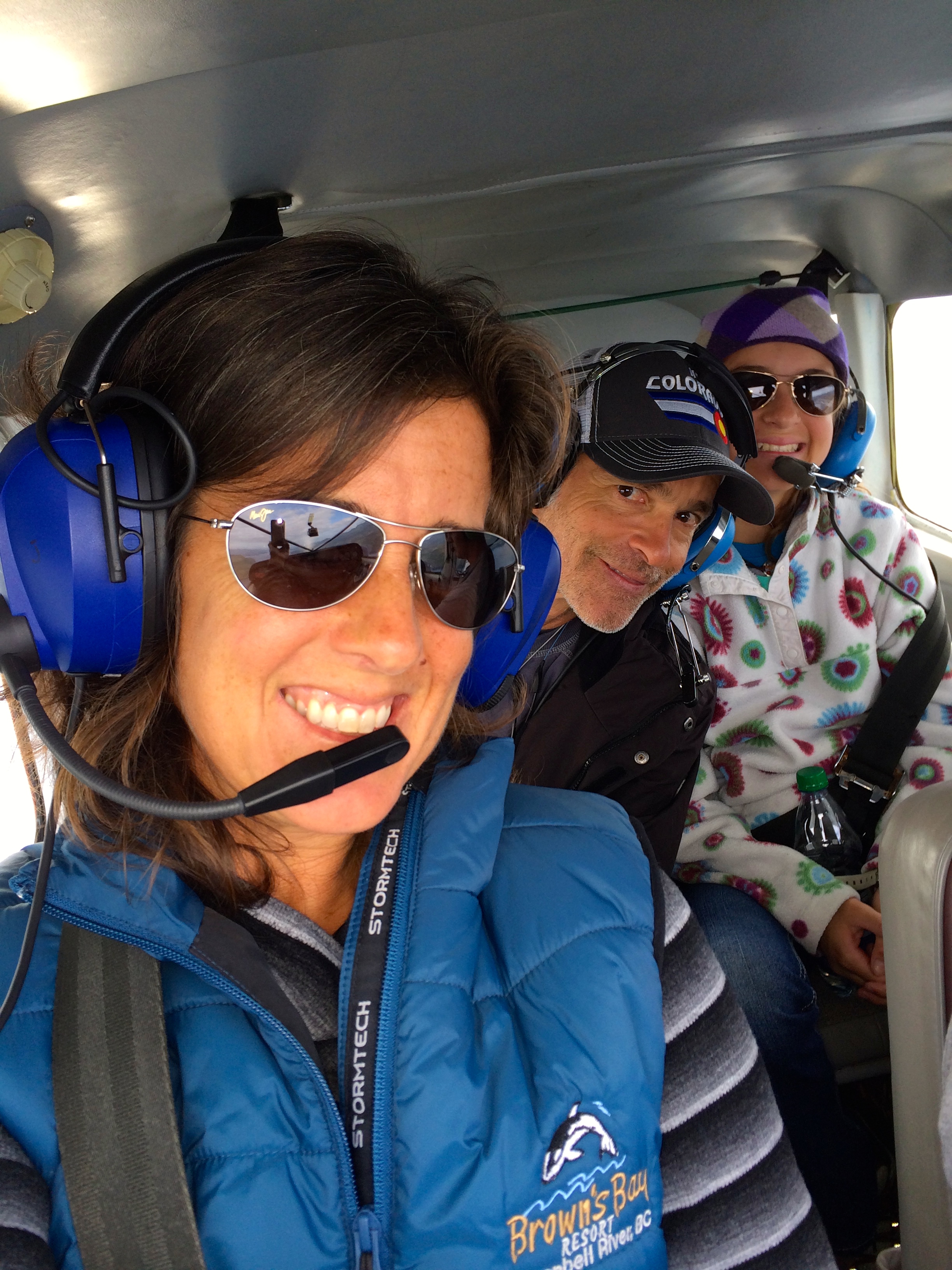
First of all the drive from Butte, MT to West Glacier National Park was stunning! (Can’t say I was fond of Butte, but it was a place to rest our heads for the night.. )
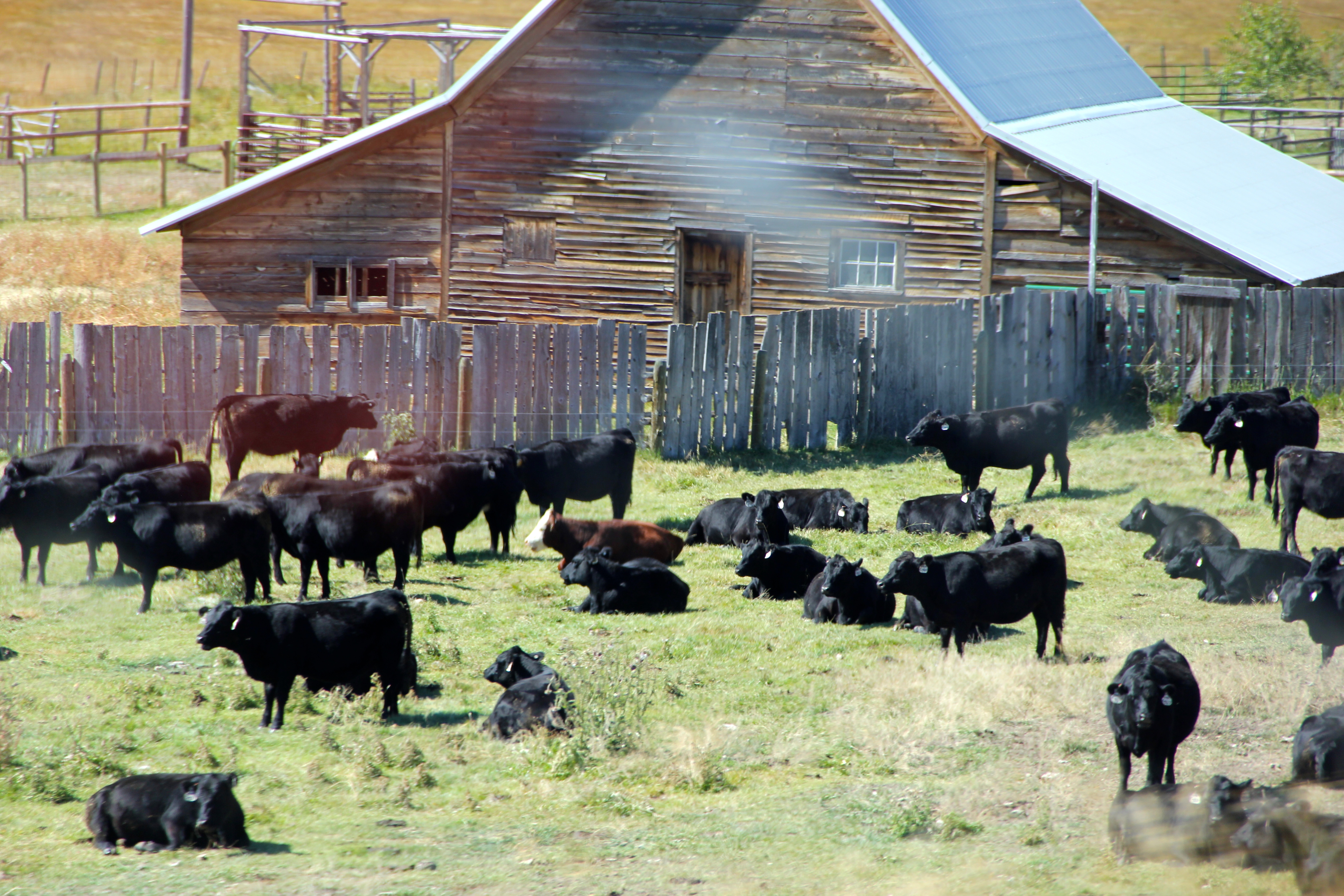
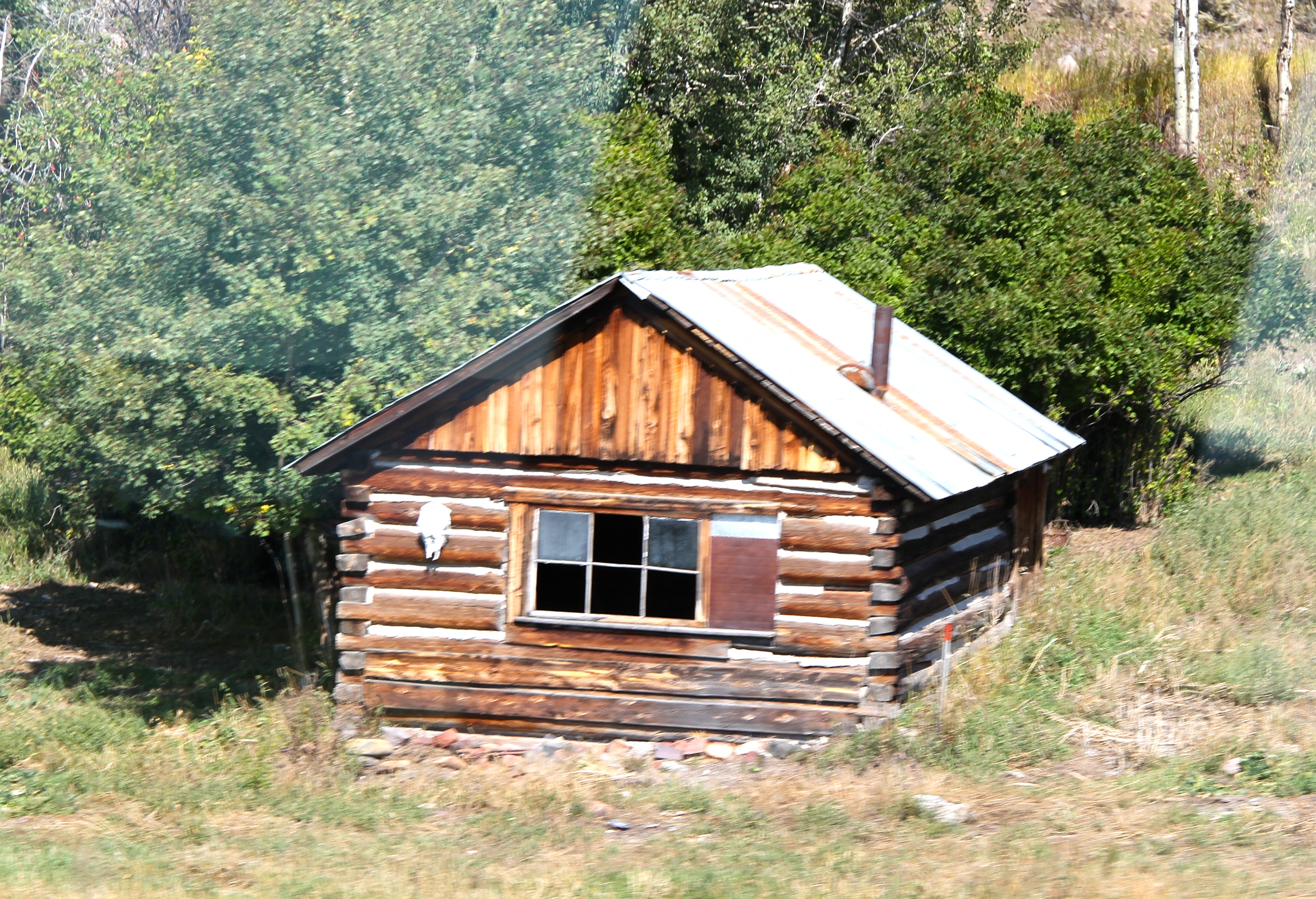
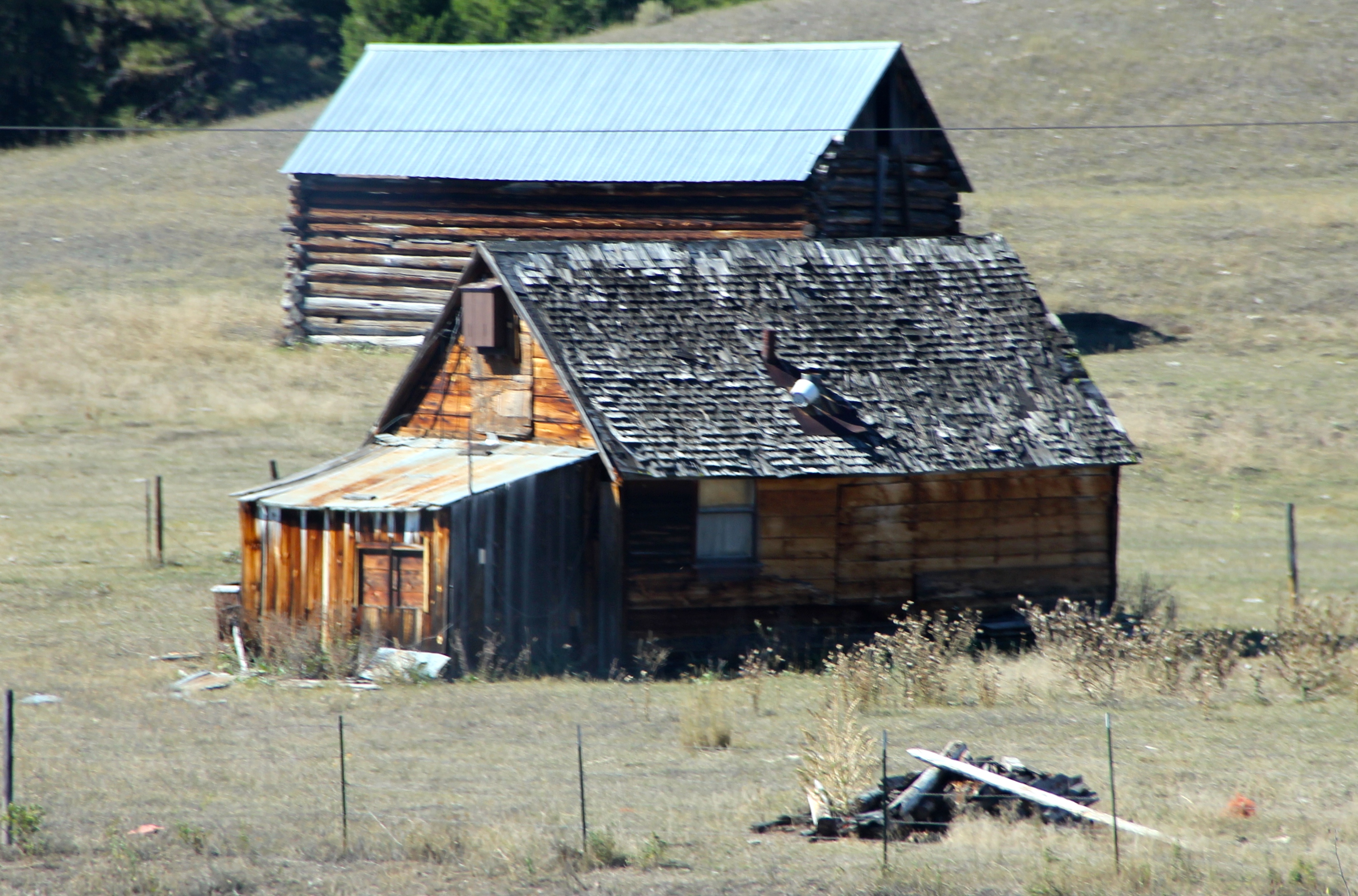
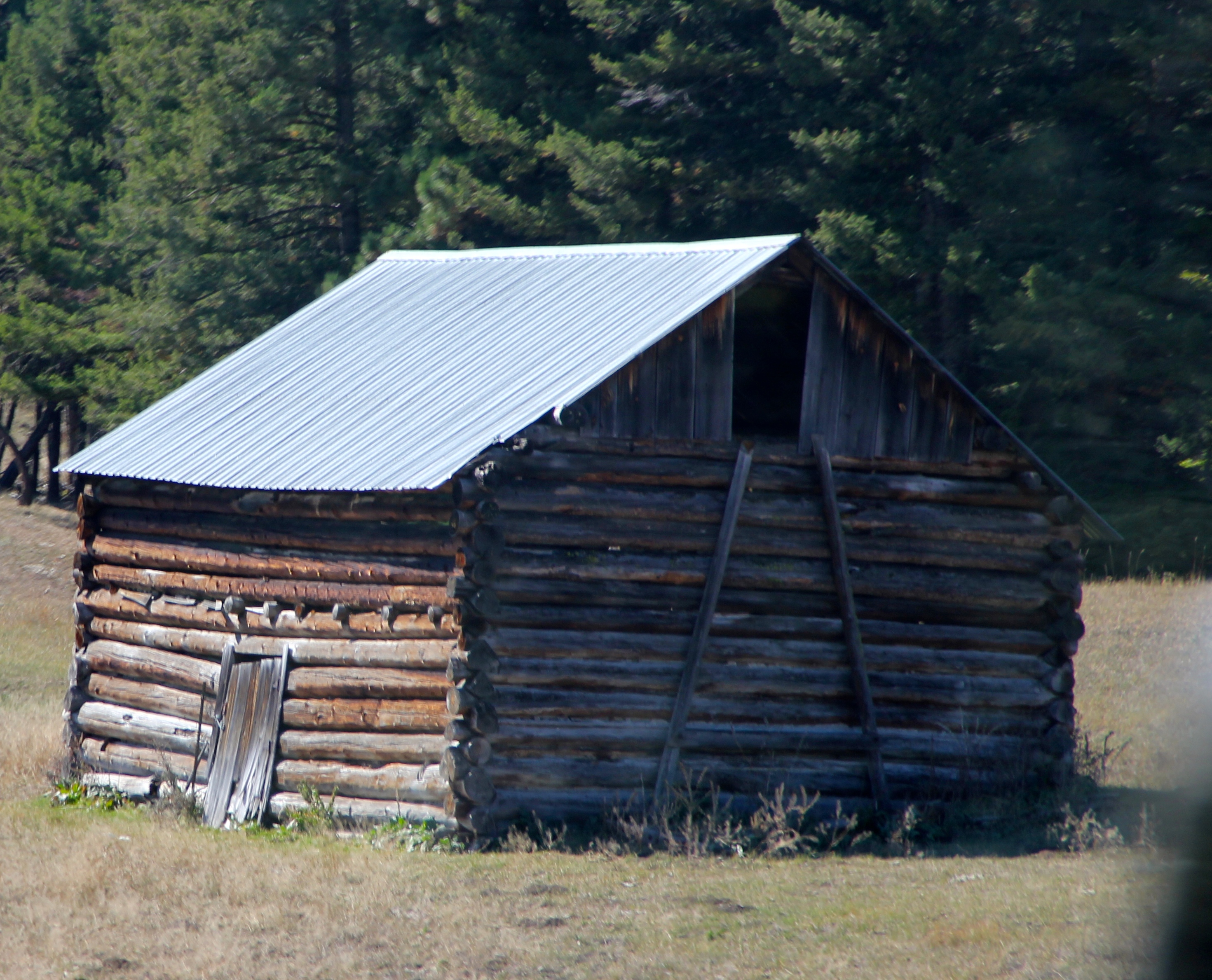
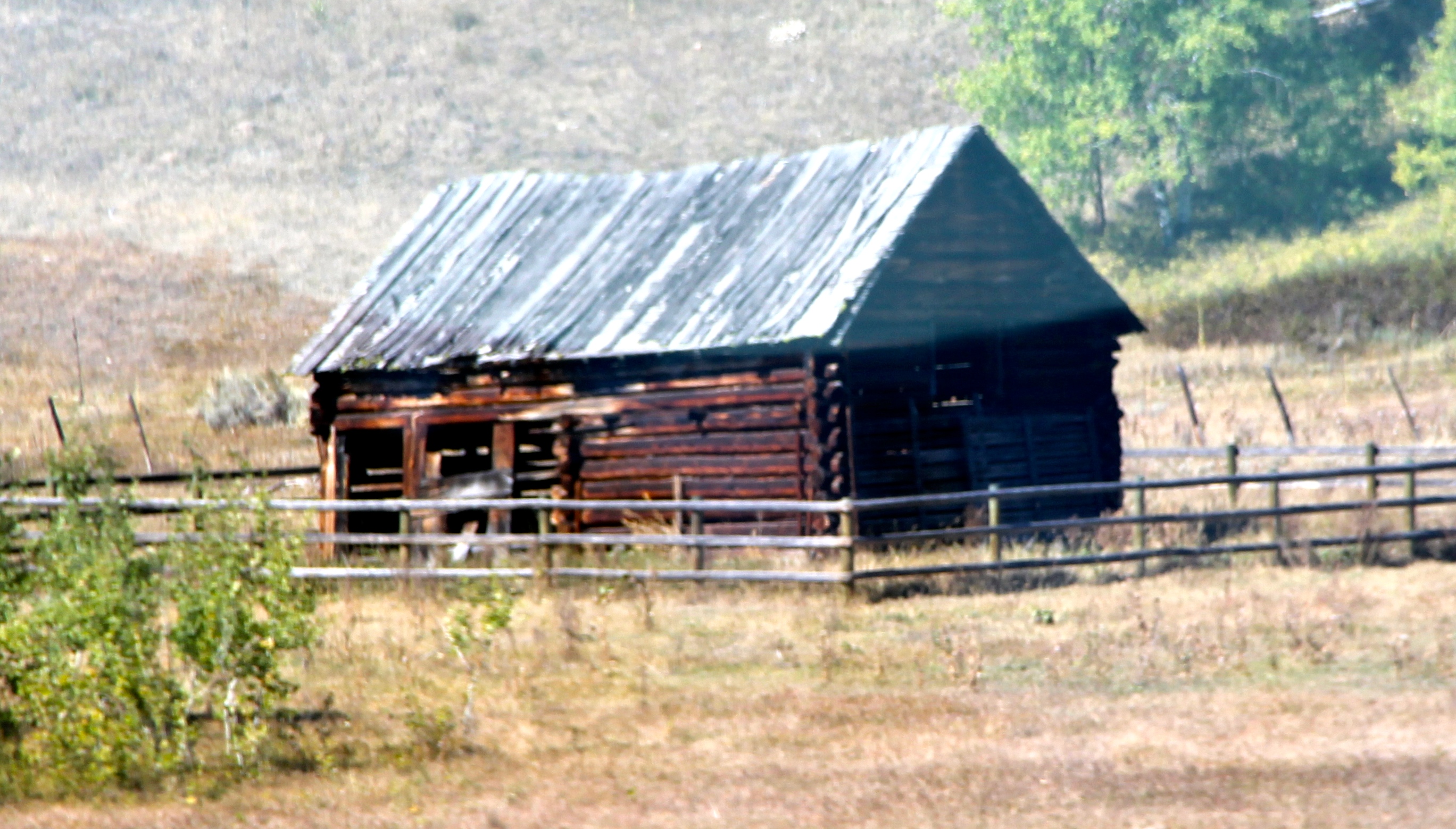
We are driving off the beaten path and trying to avoid interstate driving as much as possible. Although a longer ride, a very fascinating drive through rural America, valleys, farming, lakes, hunting lodges and gorgeous 2 lane roads. My personal favorite yesterday were the cabins and barns strewn across the wild landscape, some of which were barely standing, demanding to tell their story from another time in life before they crumbled to the ground long forgotten.
Our entire routes have taken us along so much history.. Lewis and Clark, The Great Railroad systems, National Parks & Forests. However if I want to actually get out and explore I only have limited time to blog, the rest goes to teaching the 7th grade and tending to the RV. Otherwise I could write an entire documentary just on the rail systems and their legacy to our National Parks.
I’ll first start with some very extremely brief geologic history of Glacier-Waterton. Due to the fact of so much information and time constraints to write and recall so many facts, I am copying straight from the literature that I am reading. I have bibliographic references below such that you can acquire these books for your own enjoyment and enlightenment.
“Three big geologic events formed what would become Waterton-Glacier International Peace Park: rock formation, mountain building, and glacial carving. About 1.5 billion years ago, a shallow sea covered the area 65 miles west of the park. Water runoff from surrounding hills deposited mud and sand. As animals with shells died, they left behind lime deposits. Layers of colored mud, sand, and lime collected over millions of years. The weight of new deposits compressed earlier strata toward the Earth’s mantle. This pressure, along with heat from the mantle, changed the deposits into sedimentary rocks. The rocks remained undisturbed for about a billion years. Plate tectonics, the driving force of continental drift, began to act on the rock layers about 150 million years ago. The dry seabed was pushed eastward over the next 110 million years. The dry seabed was pushed eastward over the next 110 million years as a gigantic four-mile-thick slab of rock. The slab pushed up and over a wall of immovable rock. A mountain range was formed that looked different that today’s landscape which was sculpted by a different event. About two million years ago the Earth’s climate cooled, and enormous sheets of ice spread over North America as far south as present-day Montana. A cap of ice covered the mountains to a depth of more than one mile. The ice responded to the force of gravity, grinding, scraping, and carving the rock layers as it moved. This event glaciated the region. The ice melted about 11,000 years ago, leaving the mountains, lakes, rivers, and valleys that you enjoy today. A lesser ice age is responsible for the alpine glaciers that remain.(“The Best of Glacier National Park -by Alan Leftridge”)
Railroads and a VERY brief history in their importance to National State parks and so much more.. I highly recommend this book. Brief exerts from, “Trains and Discovery 5th edition by Alfred Runte…..”
“As a Democracy, the United States has been recognized for two achievements-the Declaration of Independence and the national parks. The first, by declaring, “that all men are created equal,” ensured the advancement of civil rights. The second, by proclaiming the need for preservation, mean that democracy would include the land. Historically, Americans have credited the national park idea to John Muir, members of the Sierra Club, and other like-minded idealists. However, there is another side to the story. America’s railroads supported the national parks with a conviction that even the Sierra Club begrudgingly praised. Granted, the railroads were after profits. Yet without the railroads (and certainly no auto company offered like support), Congress was not about to establish national parks just on the conviction of preservationists….”
“Even the soulless Southern Pacific R.R. Co., never counted on for anything good, helped nobly in pushing the bill for (Yosemite) park through Congress..”-John Muir, 1895
“Of course, not every landscape could be protected, whether from billboards or polluting industries. The point is that the railroads thought about billboards-and eradicated them-long before the Highway Beautification Act of 1965. Even while conceding the necessities of civilization, the railroads knew what not to change. Factories and mines were necessary, a billboard definitely not…”
“Preserving landscape, the railroads had done their part, and often for those very places later advanced as national parks….”
“Simply, railroads brought leadership to the idea of preservation; commerce and the landscape should coexist. ..”
From this bit of brief history and thoughts to ponder, spawned brilliant ads and posters from different railroads competing in landscape and natural awe. Also was born the railroad artists, poets and writers in that era. So many areas to ponder, think and write about, regarding the roll the railroads played and continue to play in American History.
Again, I have directly quoted as I find the information completely and utterly fascinating, thus am posting my favorite parts of the book. I will leave you with a final railroad thought from this marvelous book that I hope you will find in your local library or order on Amazon. ( “Trains and Discovery 5th addition by Alfred Runte…..”)
“The decimalization of the American vacation into 4.1 nights will be regarded by Europeans as further evidence of cultural collapse….Americans have tragically deserted the most heroic dimension of their own continent: size. With many other Europeans, I feel that Americans are stranger to their own country in a way that no European can be. One reason is the demise of the American railroad…” – Clive Irving, Conde’Nast Traveler, September 1992
“For decades, the American vacation has been growing shorter, until many no longer recognize it as a vacation. Although older Americans still believe in long vacations, our friends abroad have a point. We are obsessed with saving time. We are more likely to fly than take a train, finding the continent still in our way. Even when driving we see practically nothing of the real America lying just beyond the interstate. As our children grow bored, automakers seem to think we should keep them quiet by playing a DVD. The latest cars even come with built-in monitors. In the end, no one watches the passing countryside, even if it is only to count billboards….”
On a lighter note, quick nature fact off the rails.. and before we head out on the trails…!
“Did you know that male moose use almost as much energy growing their antlers yearly as female moose use being pregnant…..?”

 Baus Family Adventures, Lifestyle and Island Living
Love your whole trip/ life/ way of living! Keep on keepin on! BTW my Mom raised Newfs on St. Thomas in the early 70’s and then again in NC in the 90’s… love those dogs! Much love to you all..
LikeLiked by 1 person
Heather, this is number 1 proof of what a fabulous teacher you are!.. thank you for giving my grandchild such a wonderful education and outlook on life.. thank you
LikeLiked by 1 person