The Southwest portion of the United States has been utterly impressive and we will have to explore these areas in more detail in the future. However, our time is up and we must push home as Savannah has Performance Music team starting and misses her friends like crazy! As do we!
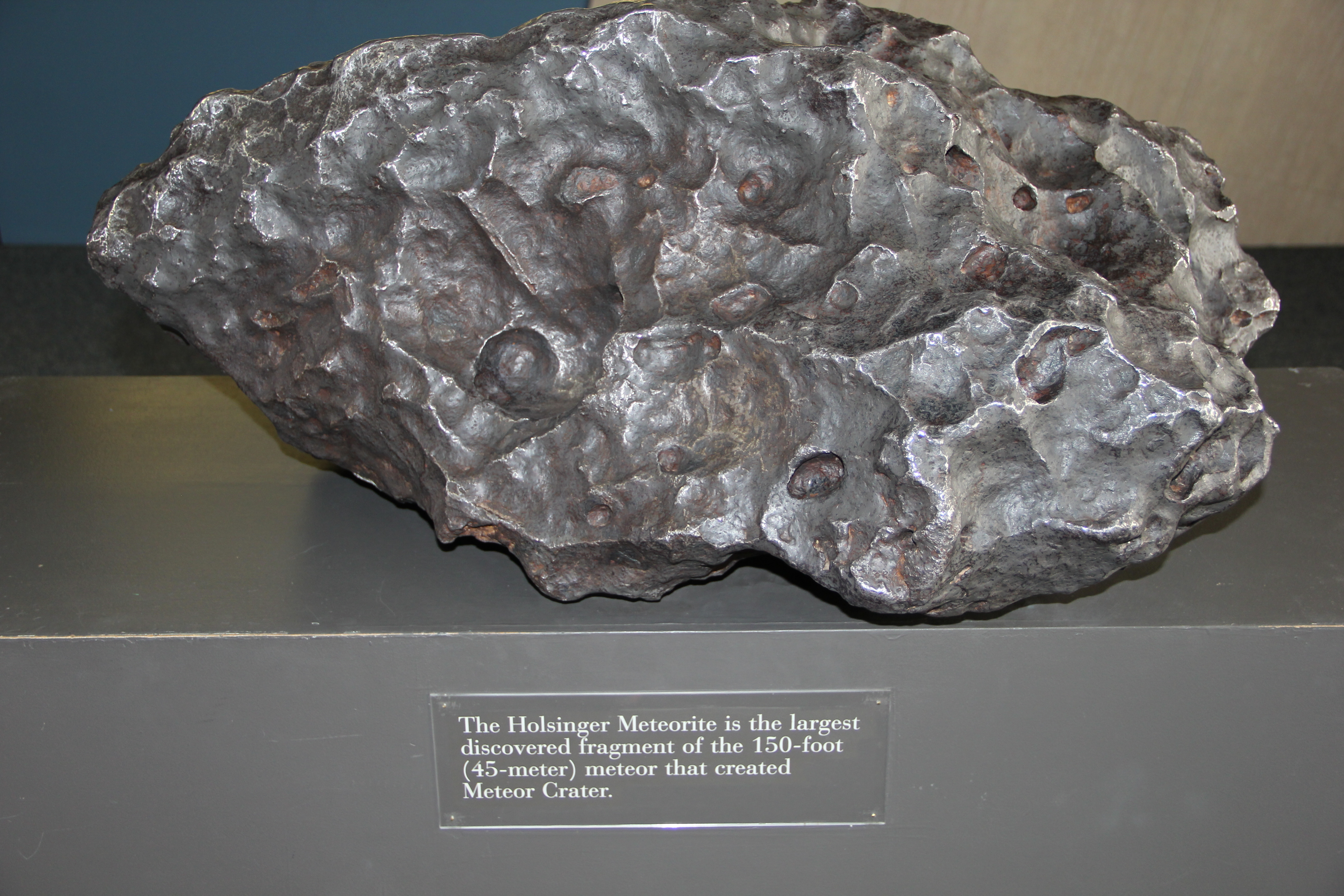
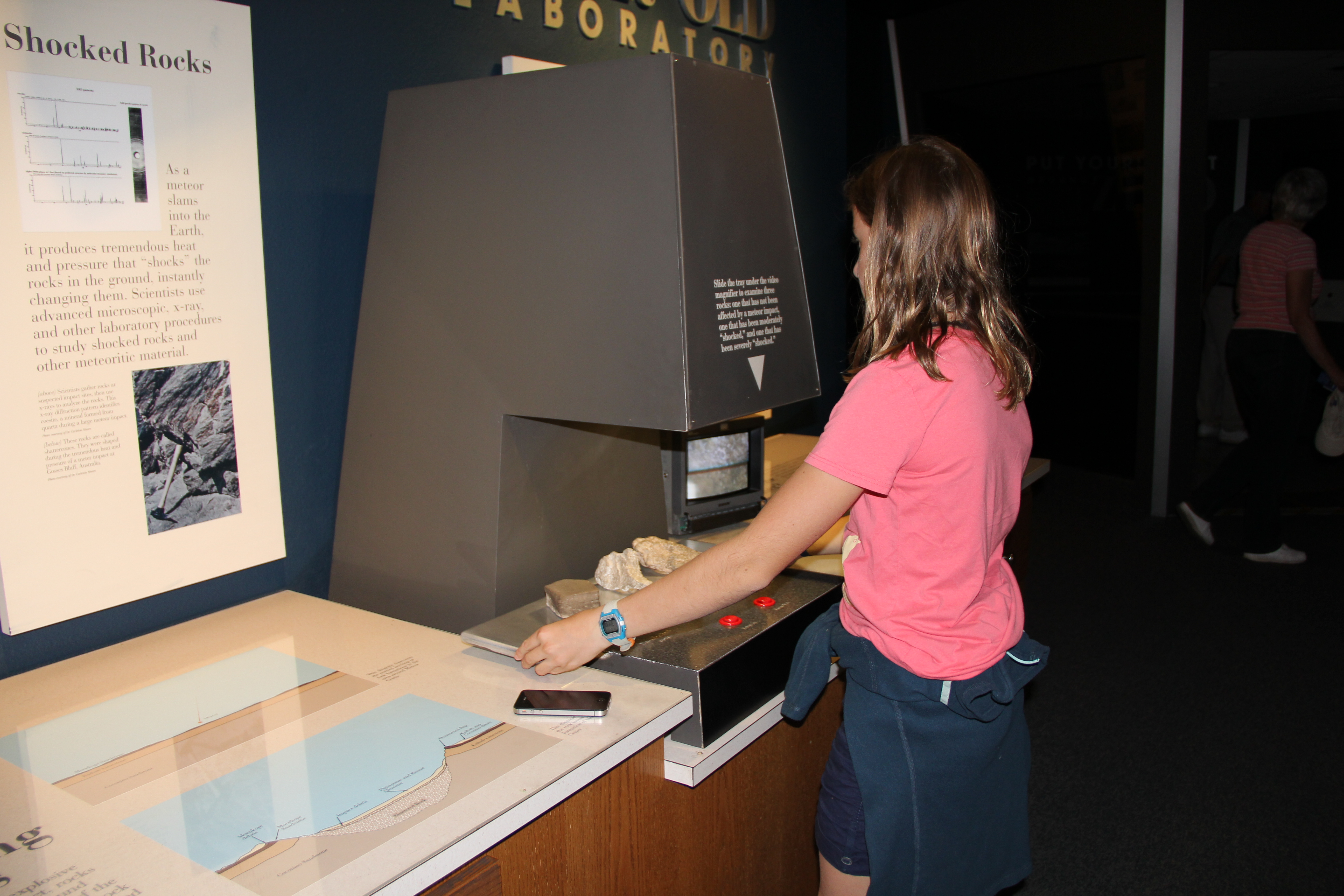
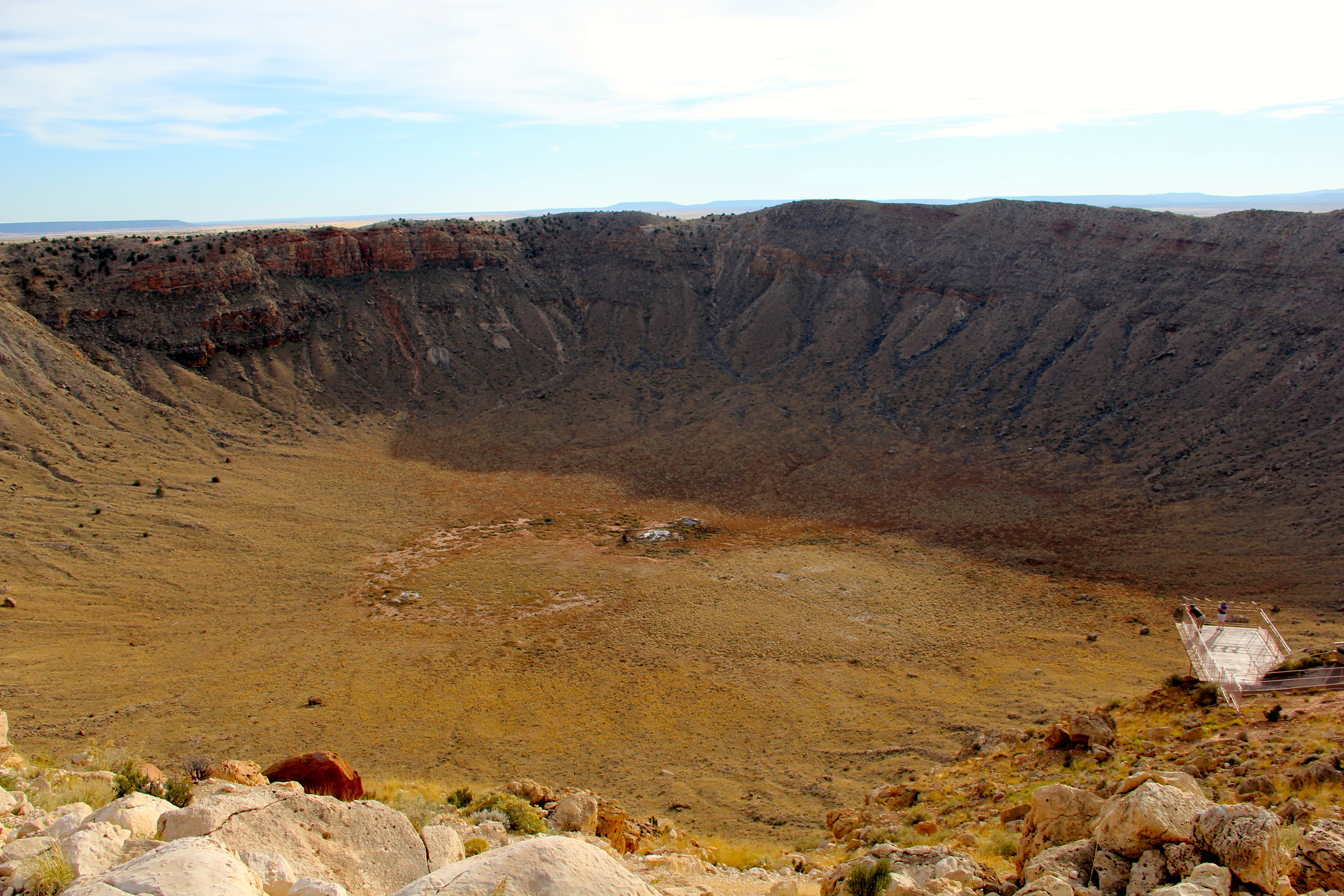
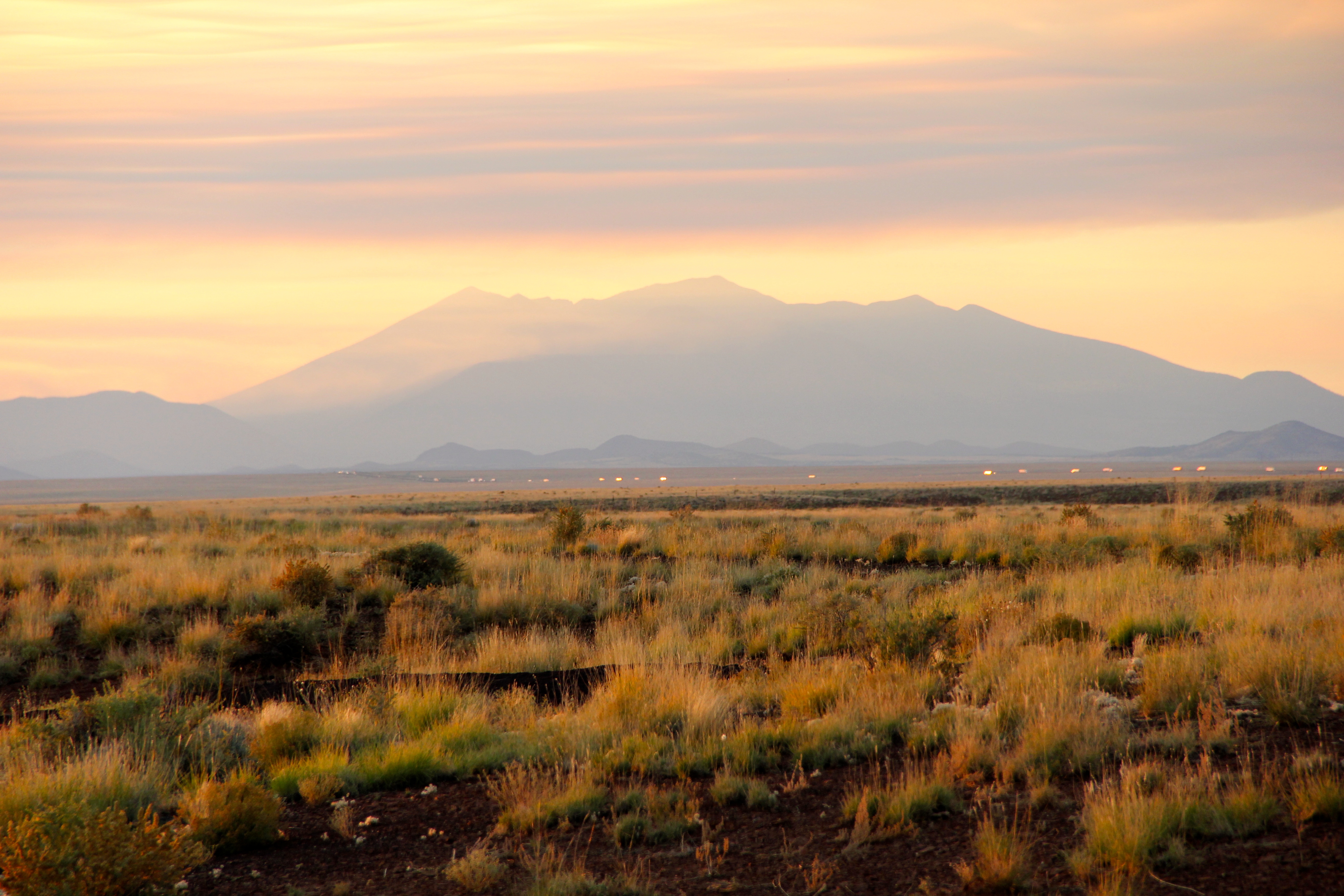
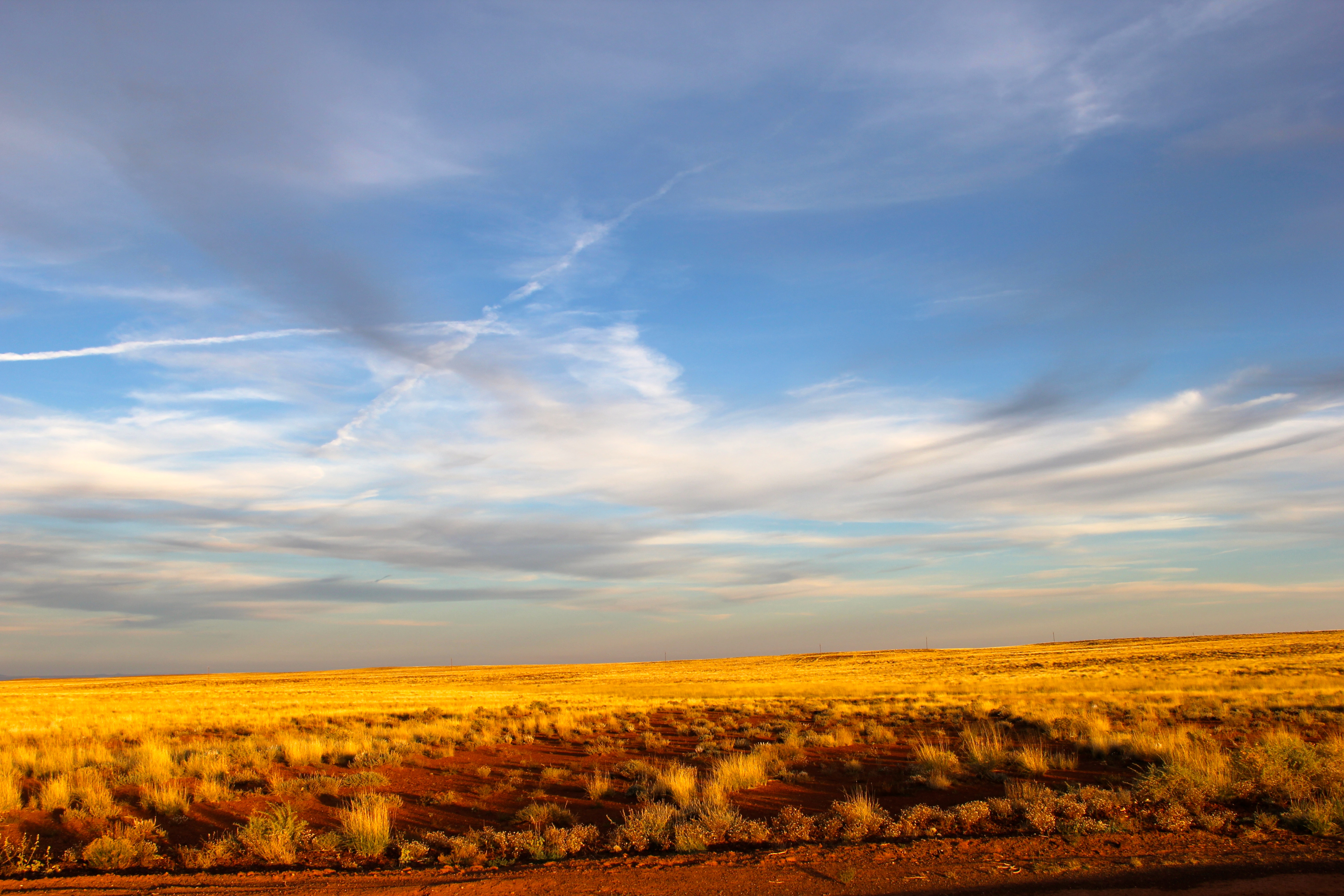
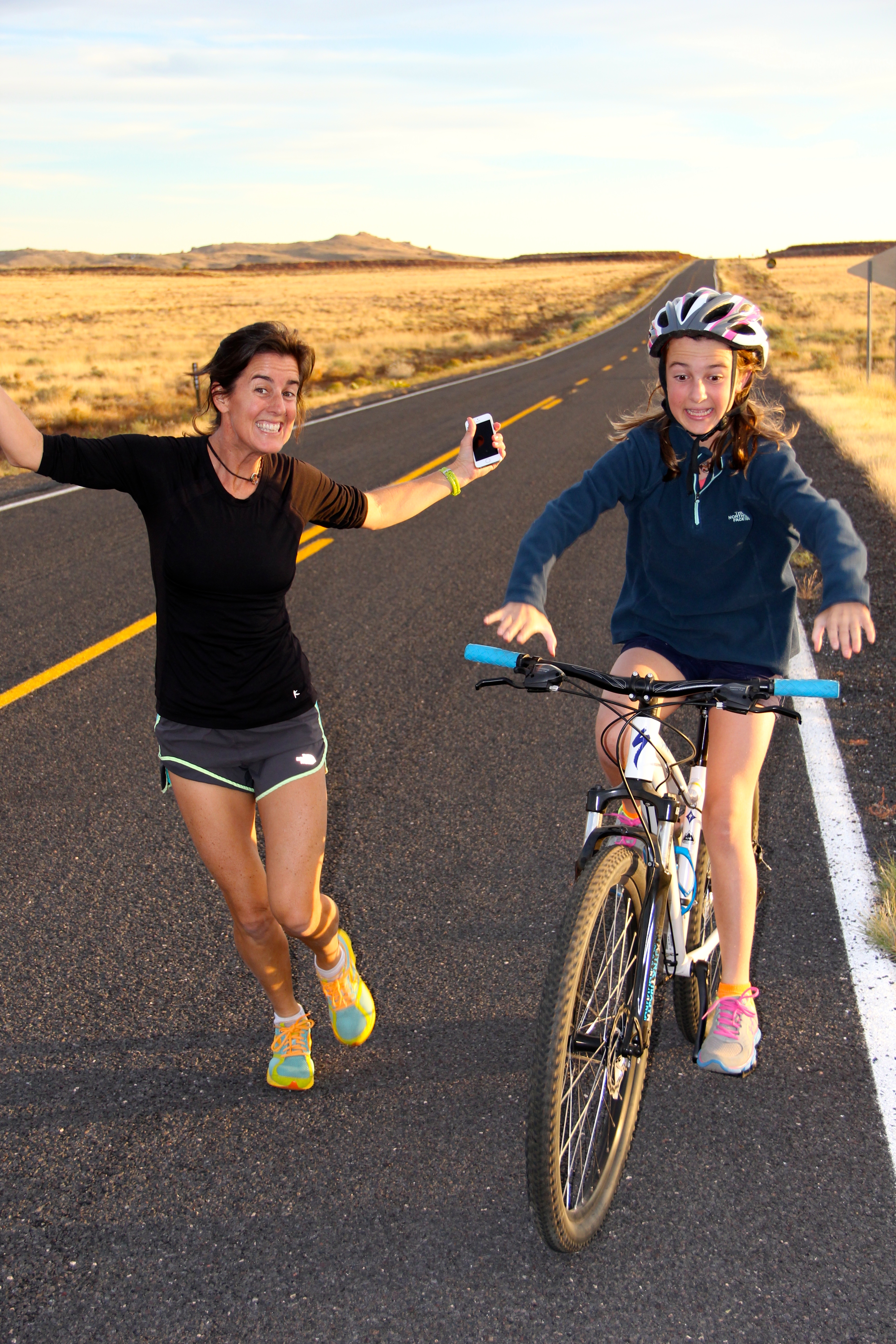
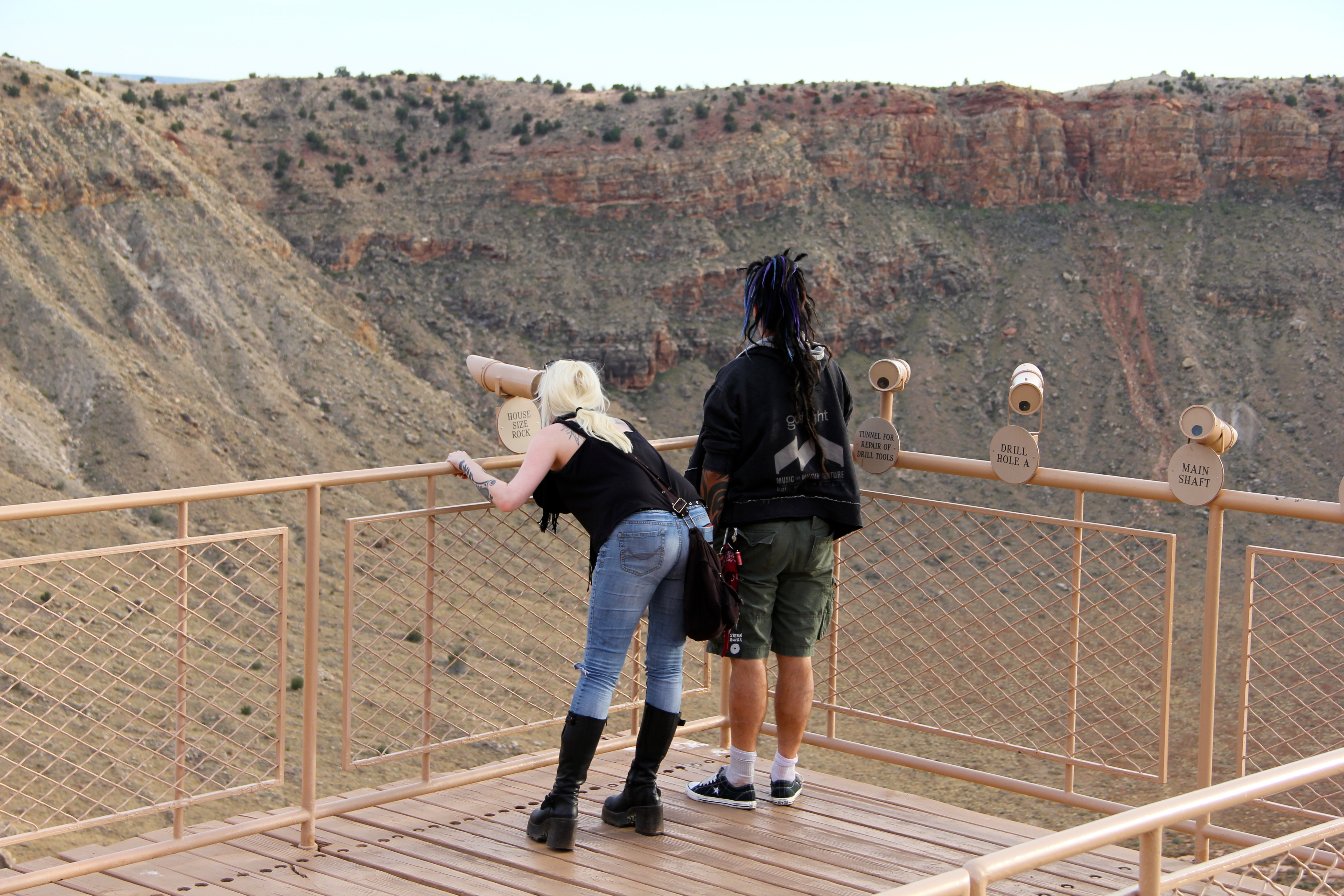
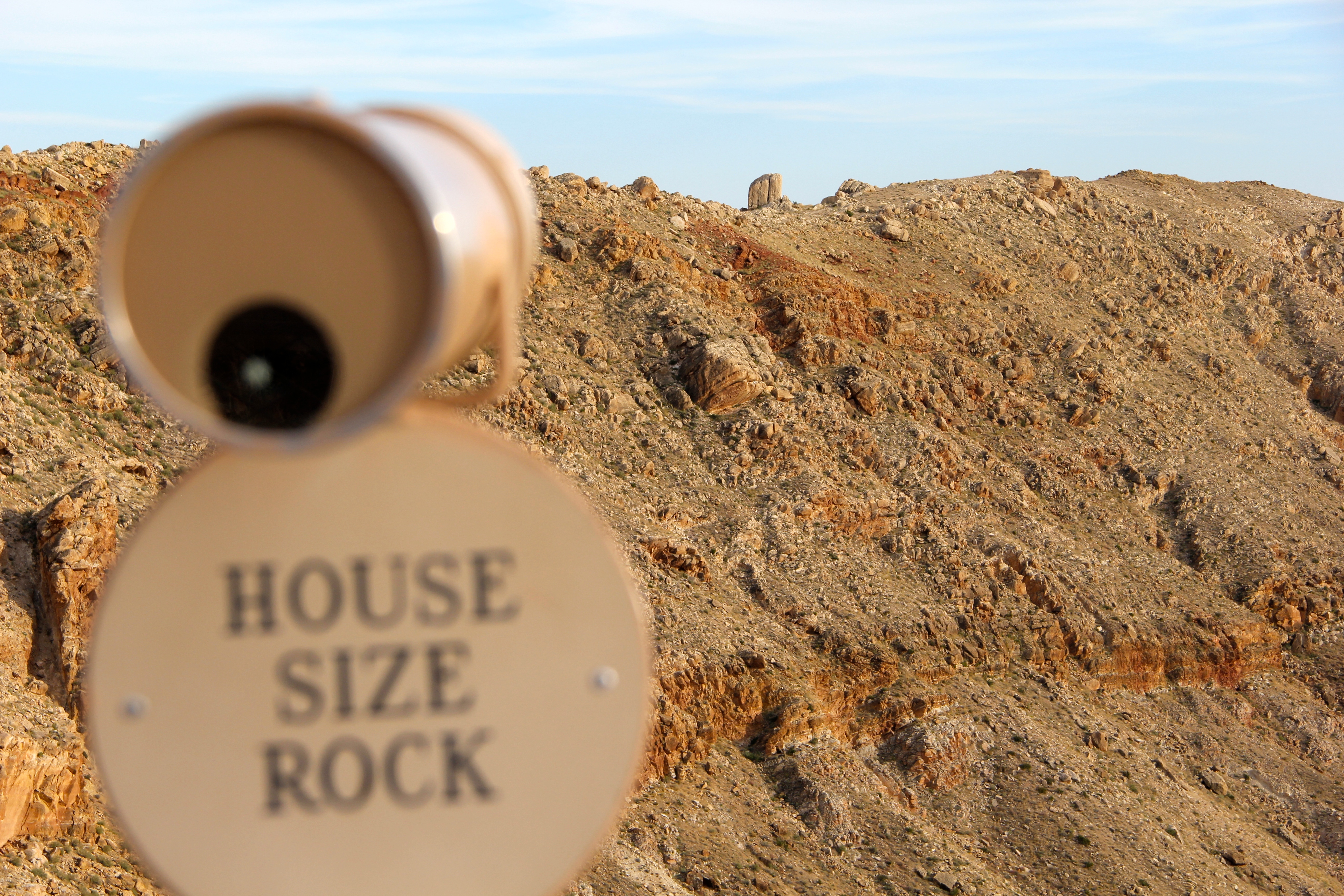
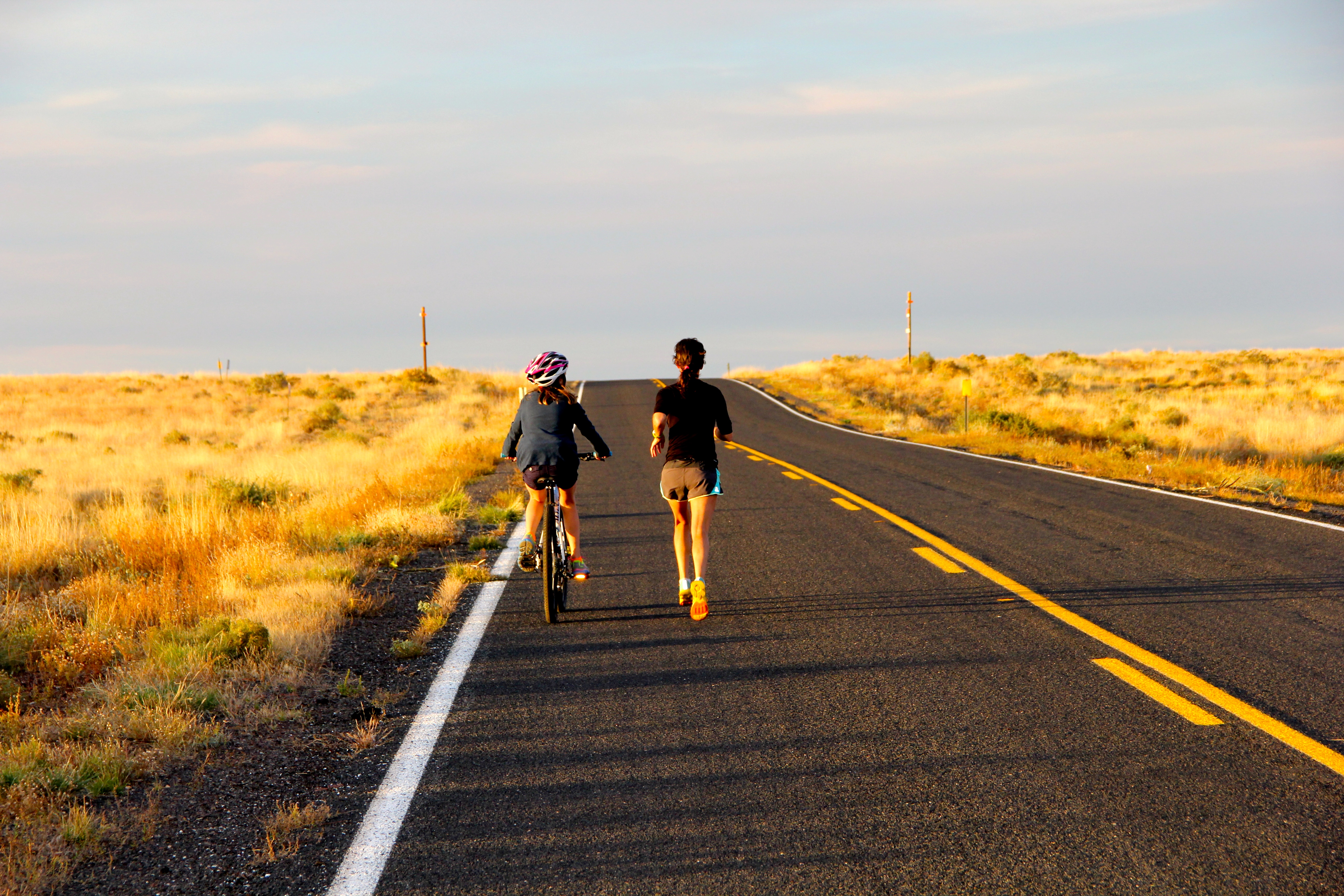
Meteor Crater was really impressive with an extensive gift shop, visitor, and educational center. The information provided was shocking and scary to the “what if”.. the last meteor was 50,000 years ago and we’re do for another according to scientific studies. This huge iron-nickle meteorite is estimated to have been about 150 feet across and weighing several thousand tons that struck with an explosive force greater than 20 million tons of TNT!! In seconds, a crater 700 ft deep and over 4000 feet across was carved onto this once-flat rocky plain. We spent considerable time reading, discussing and speculating, and ended up closing down the museum! The road we drove to get to the crater was just gorgeous with miles and miles of flat plains, gorgeous views and the perfect run…. Savannah road her bike along side and we met Jim at the end of the road for a lovely sunset six miler.
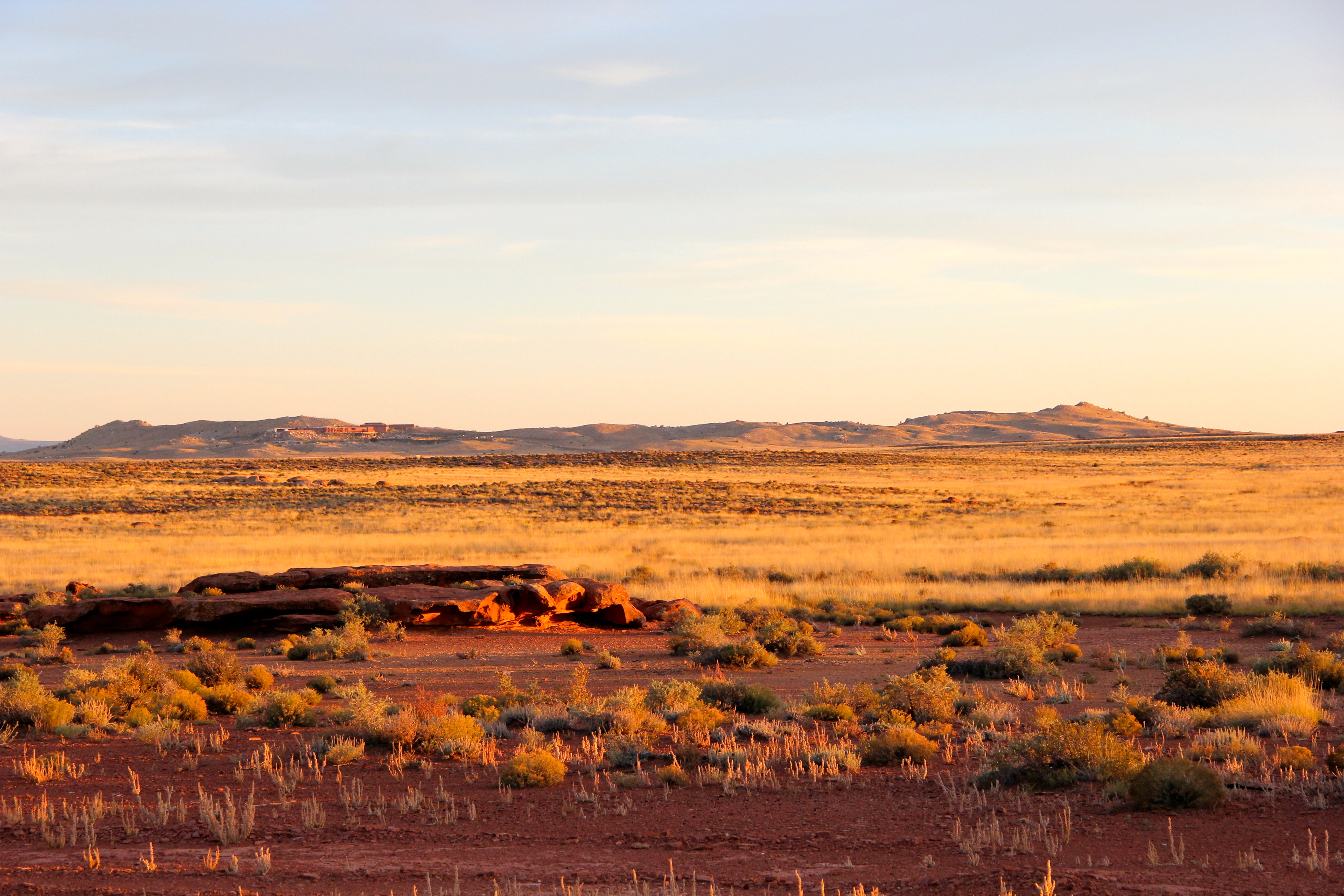
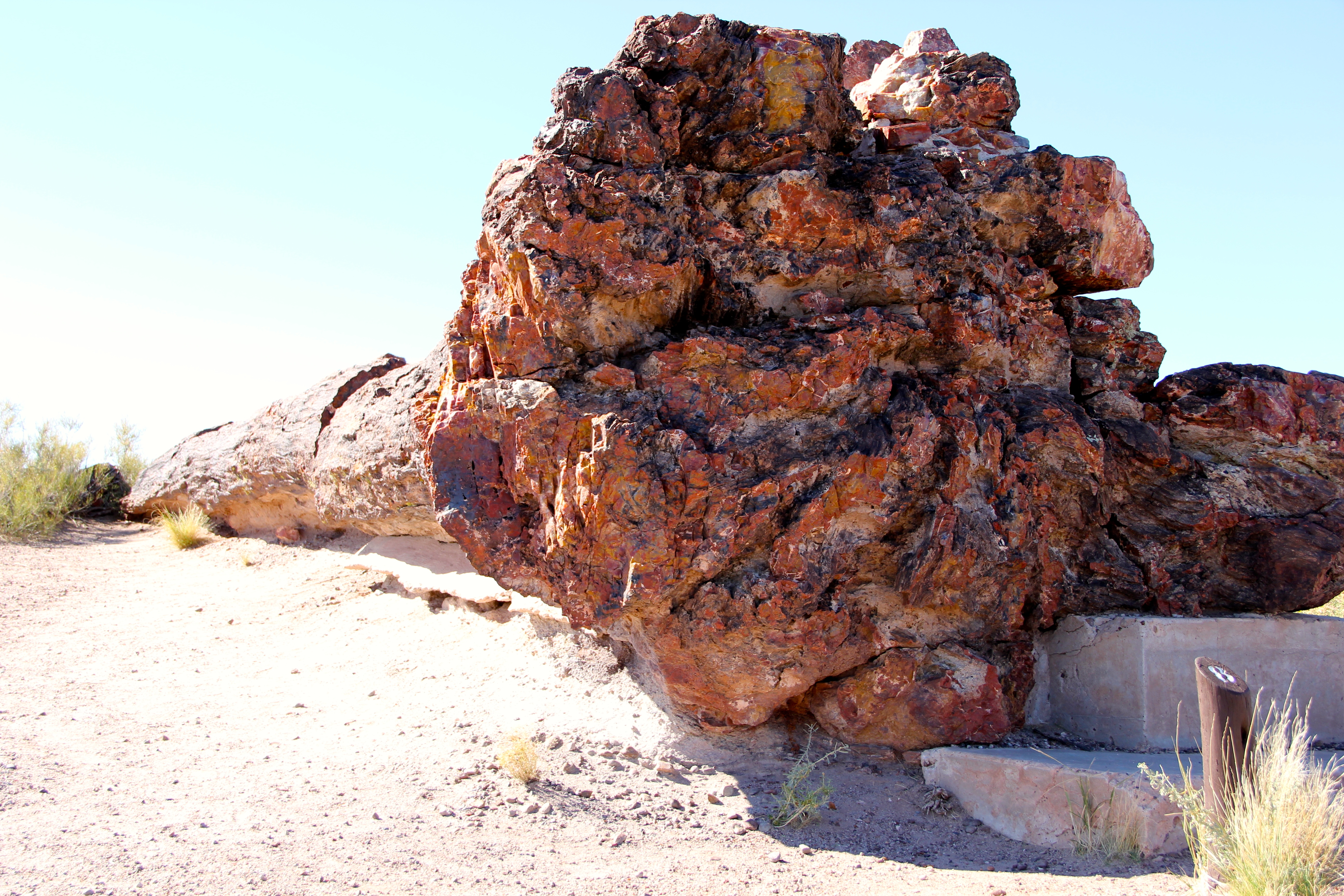
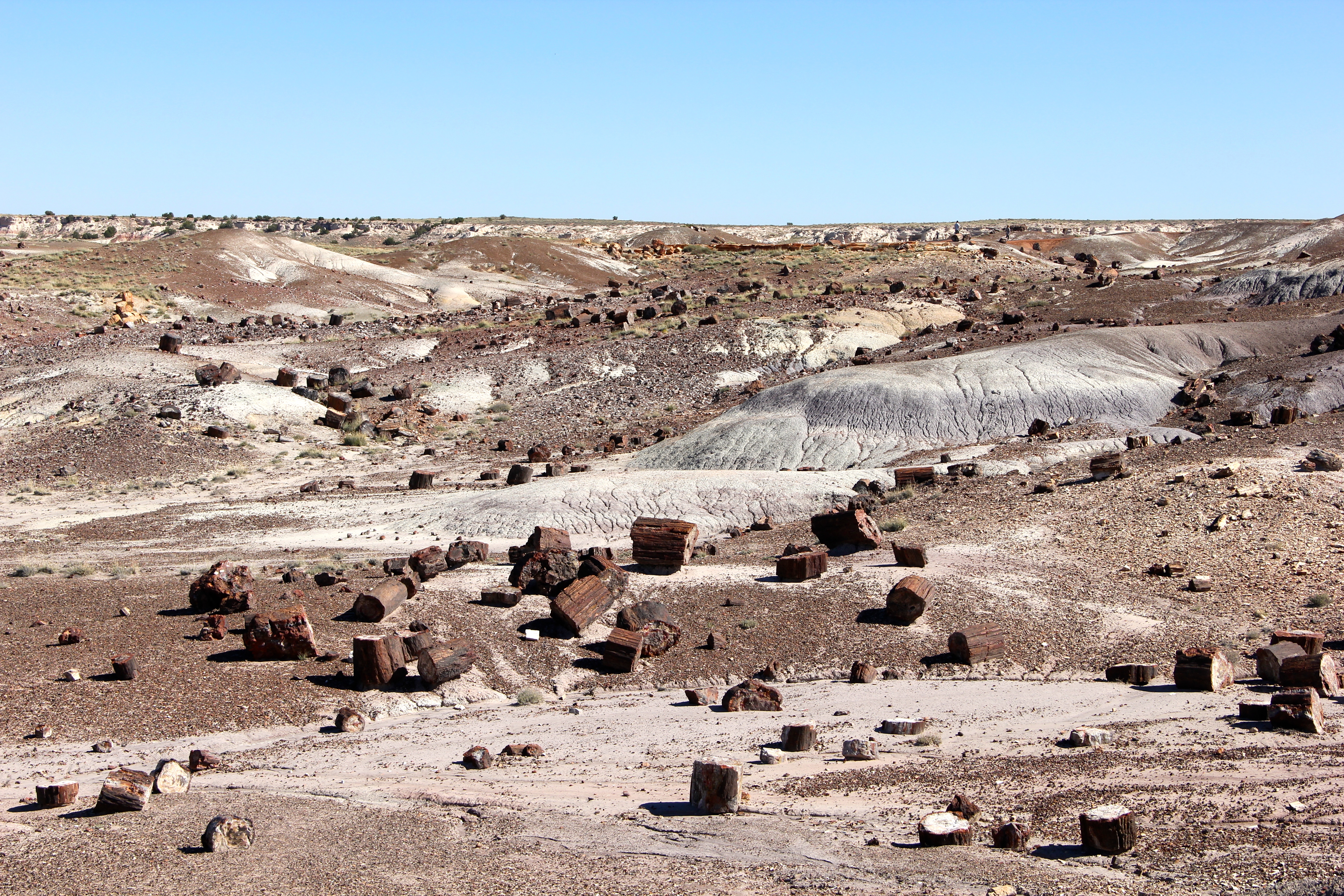
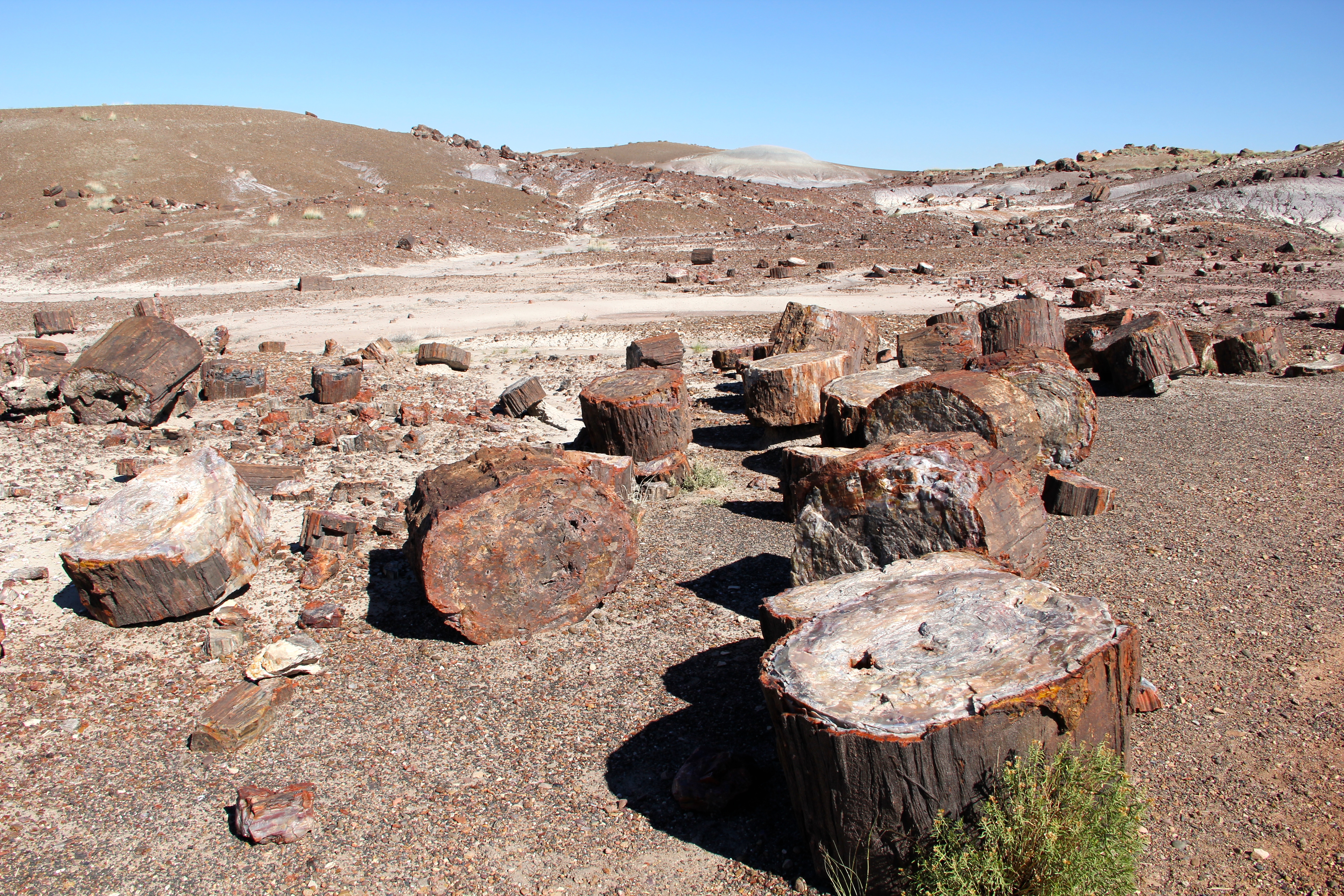
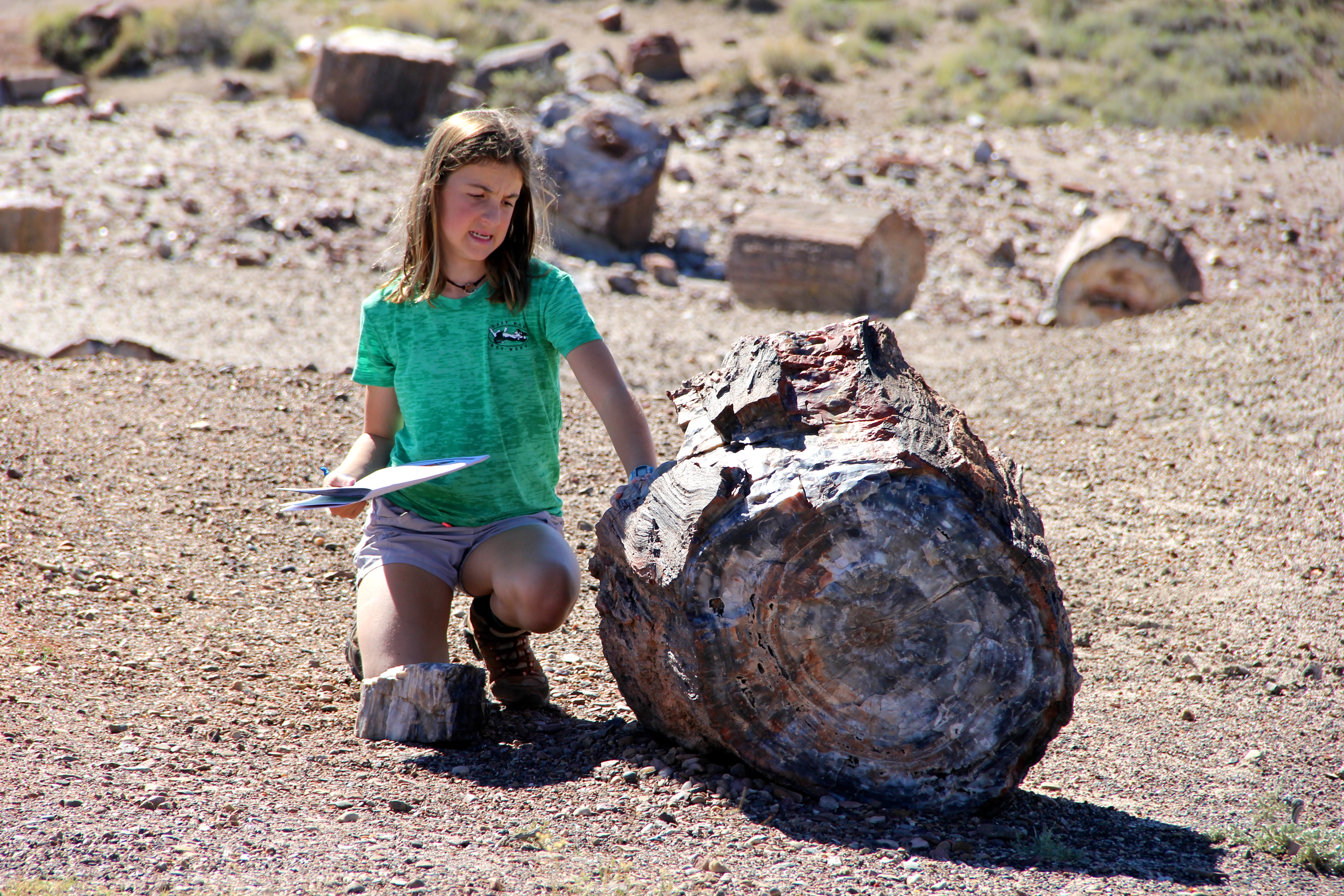
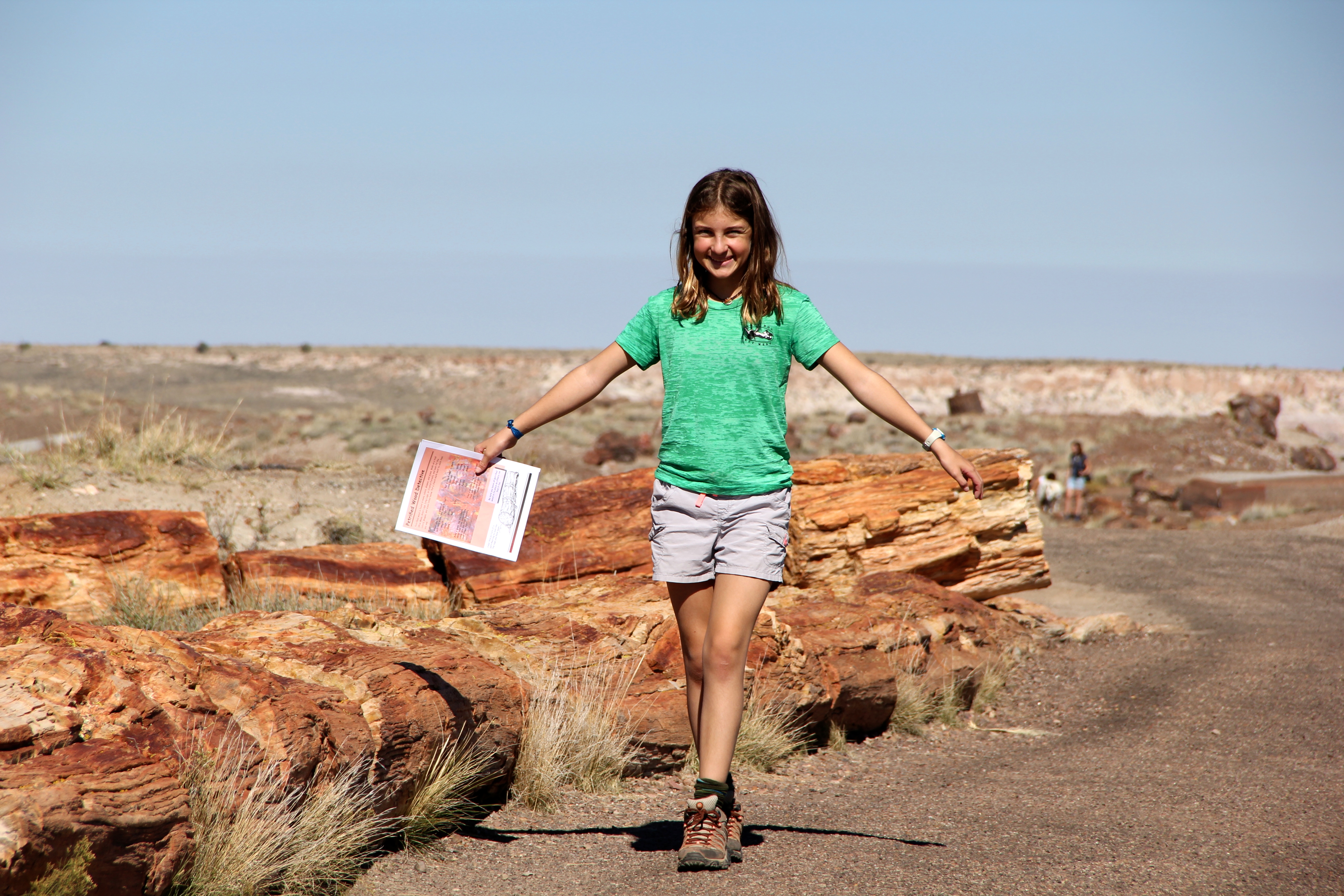
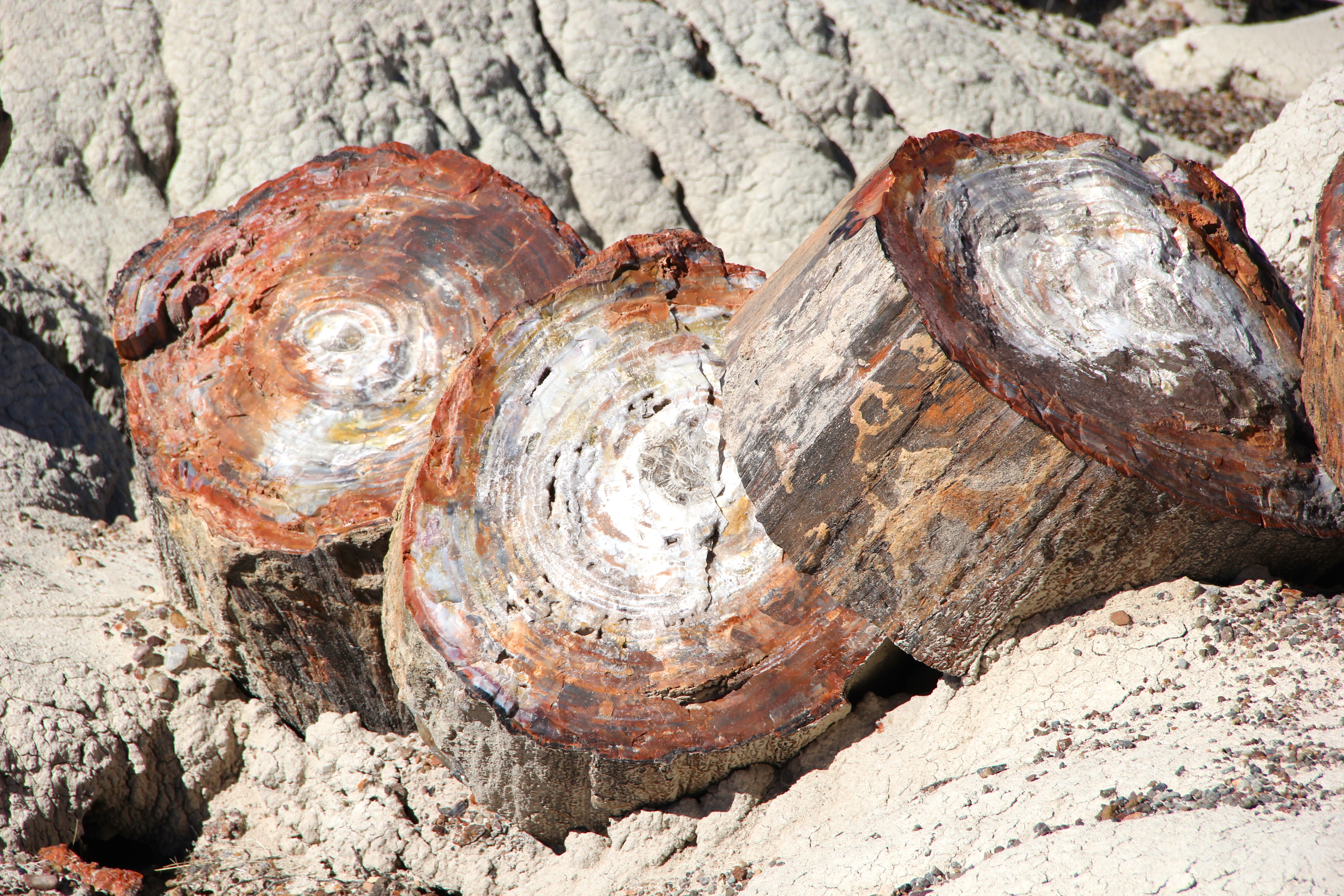
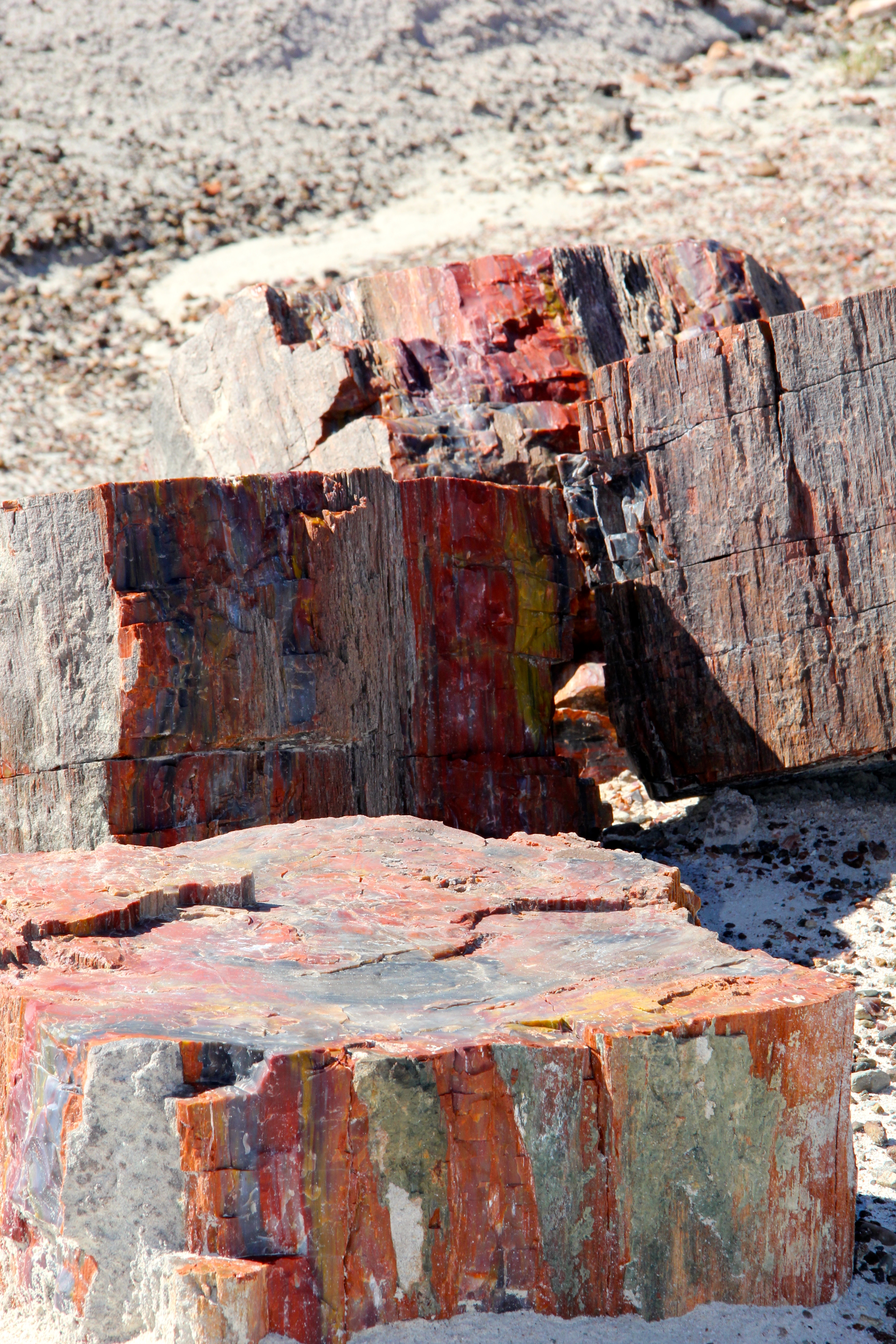
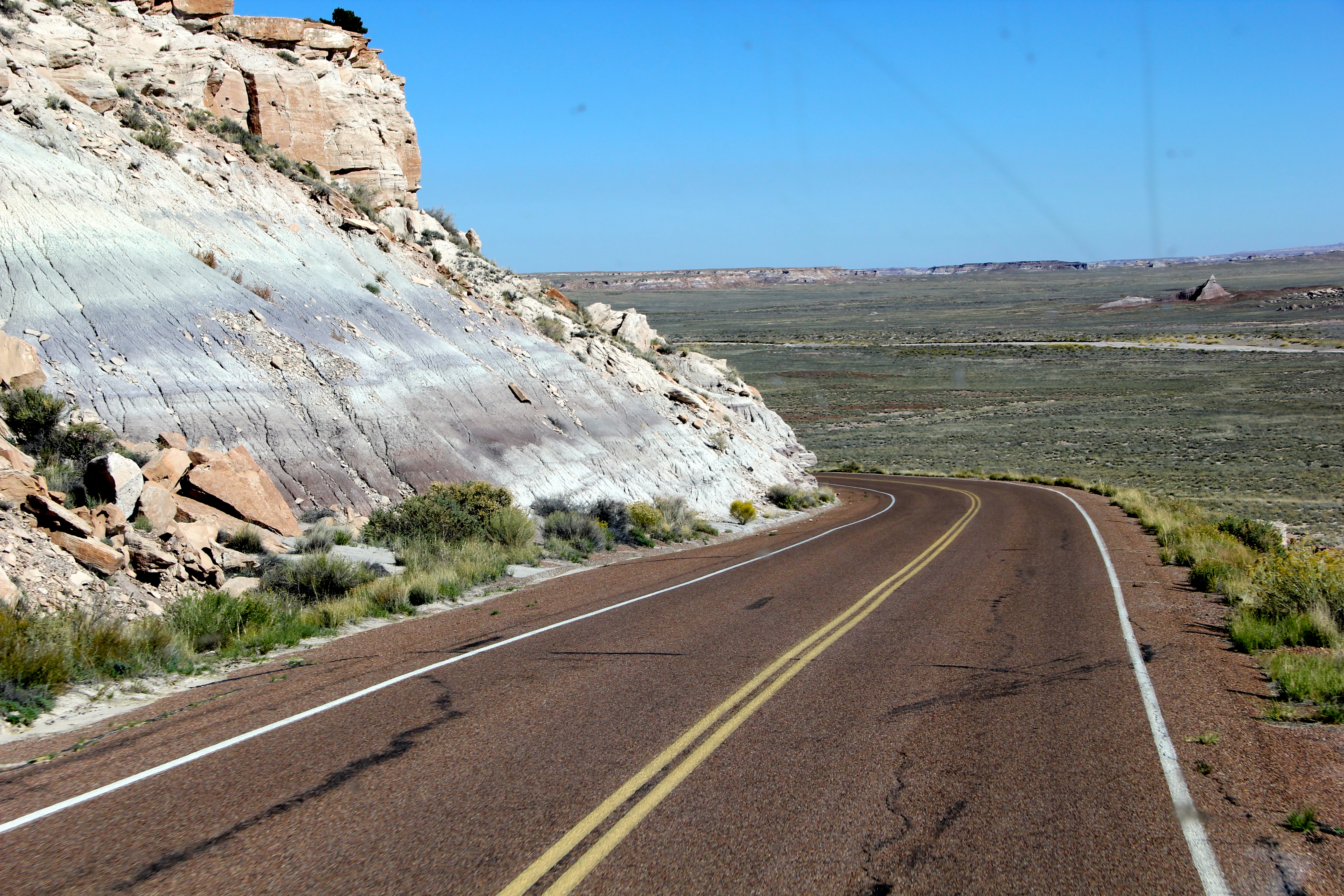
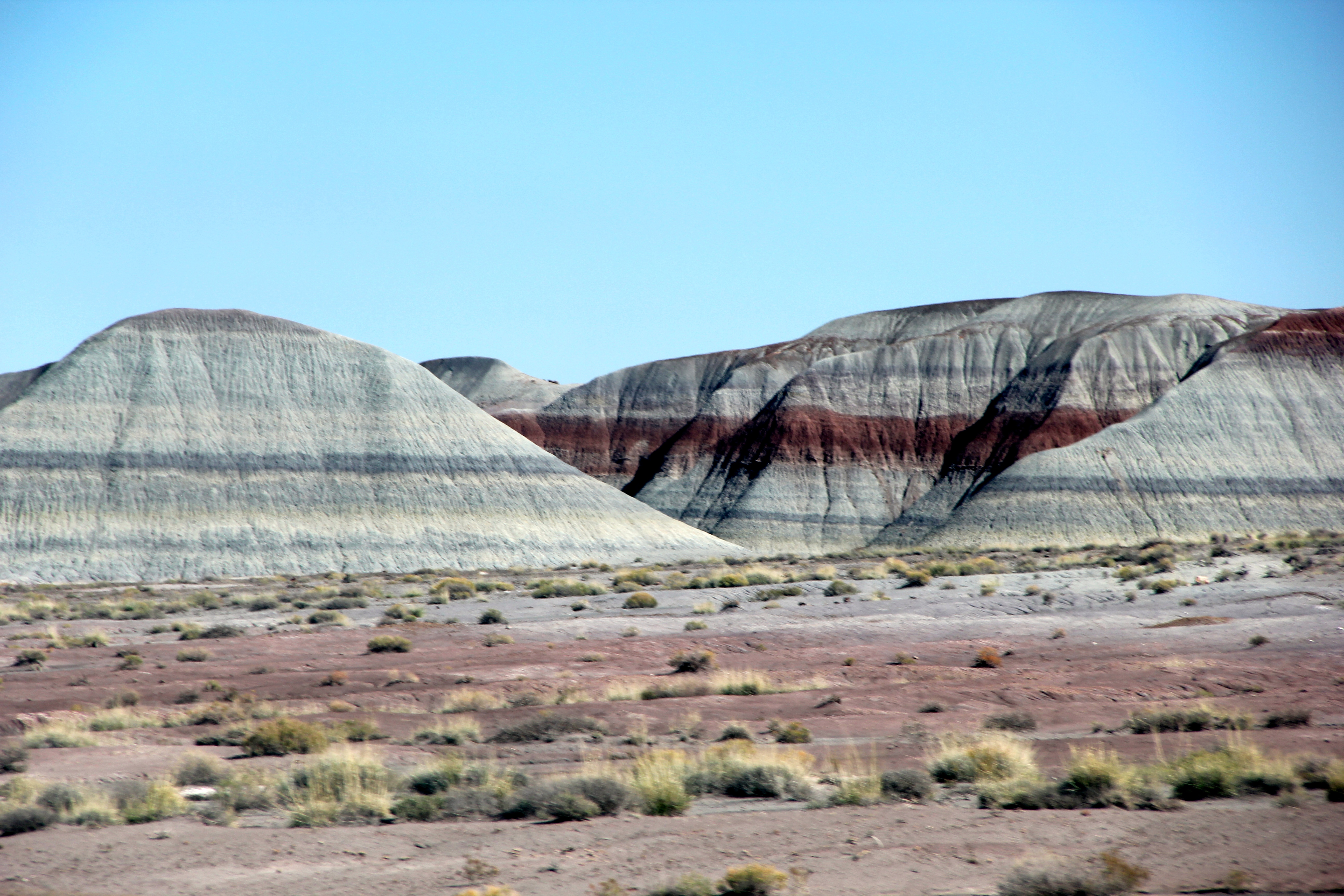
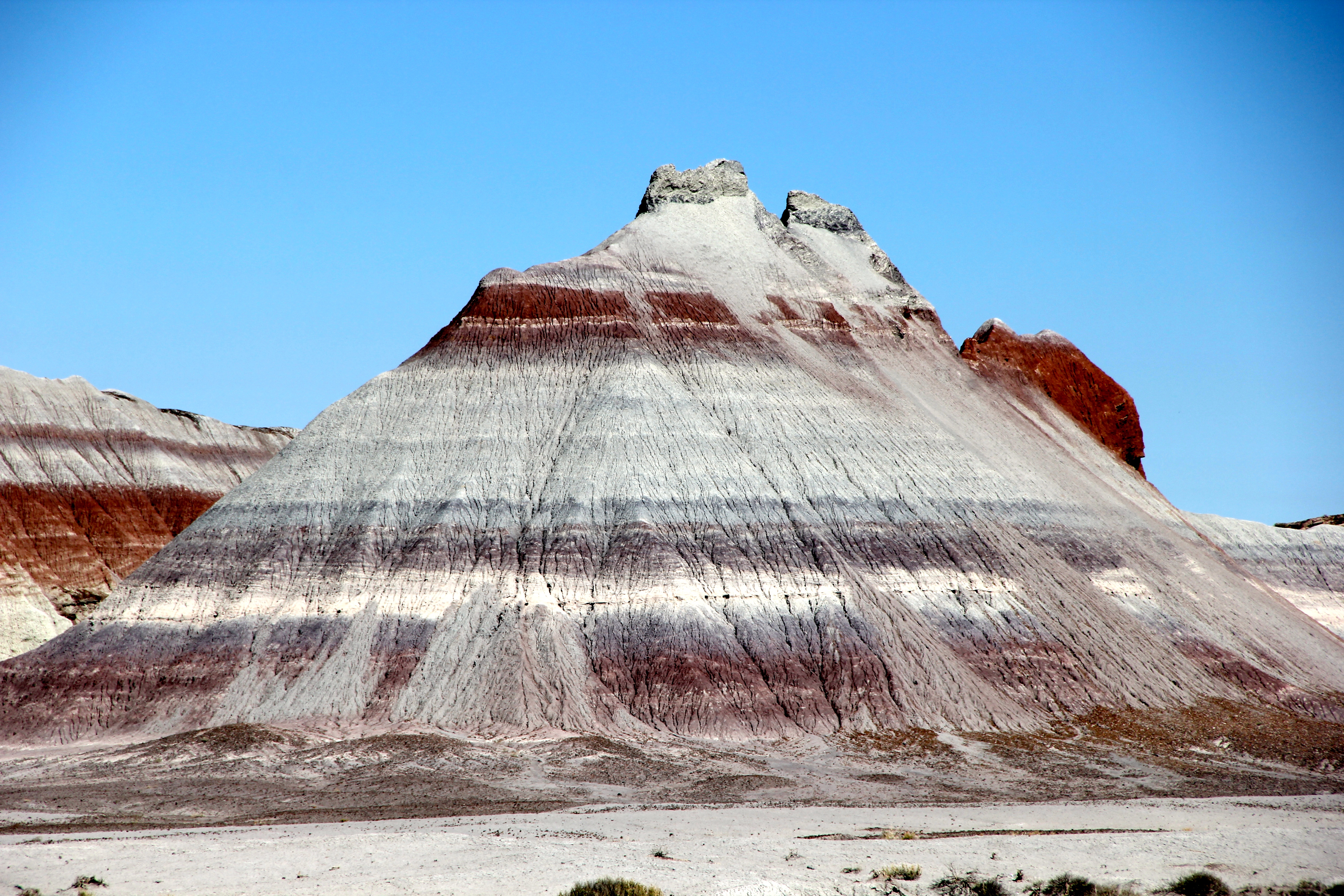
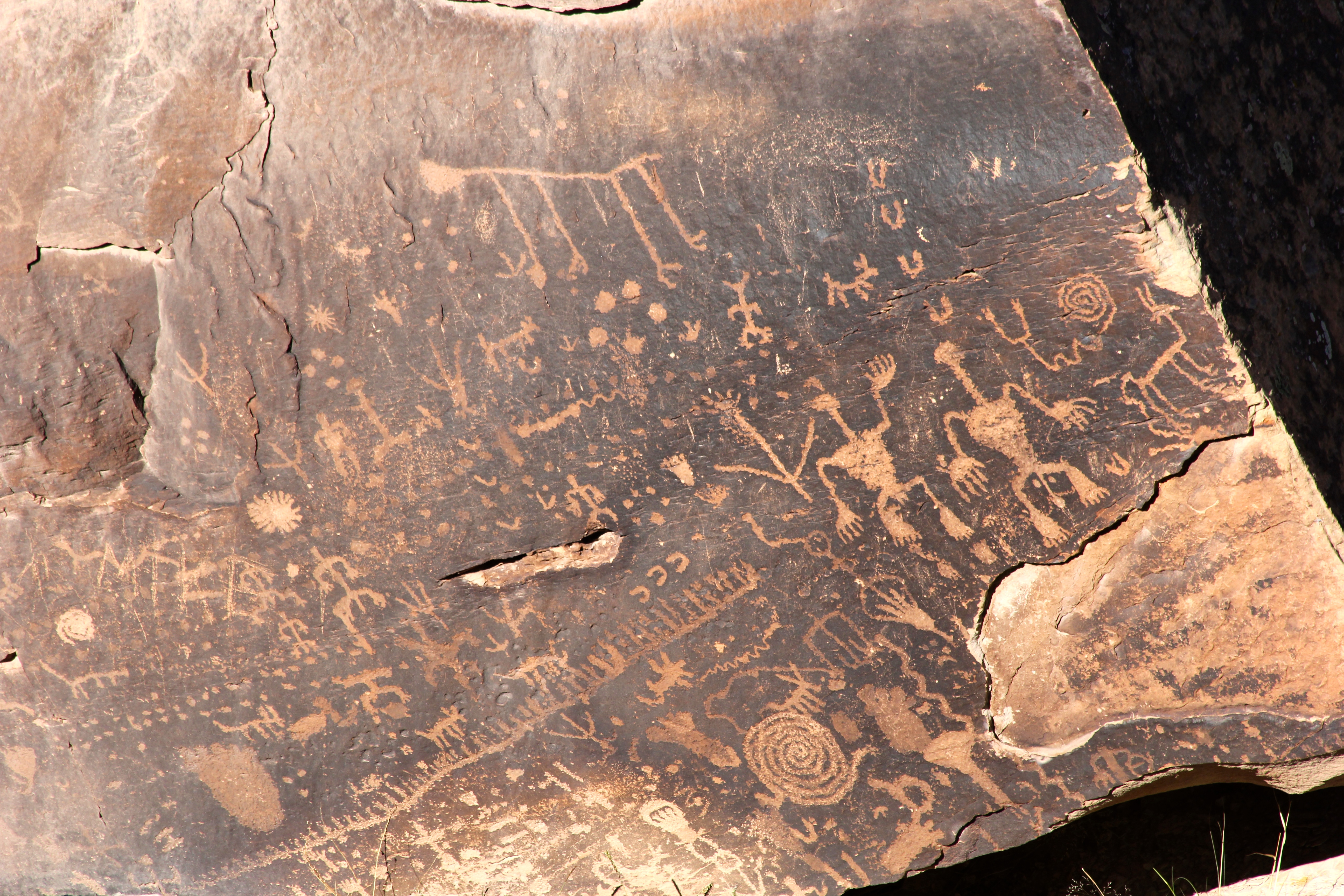
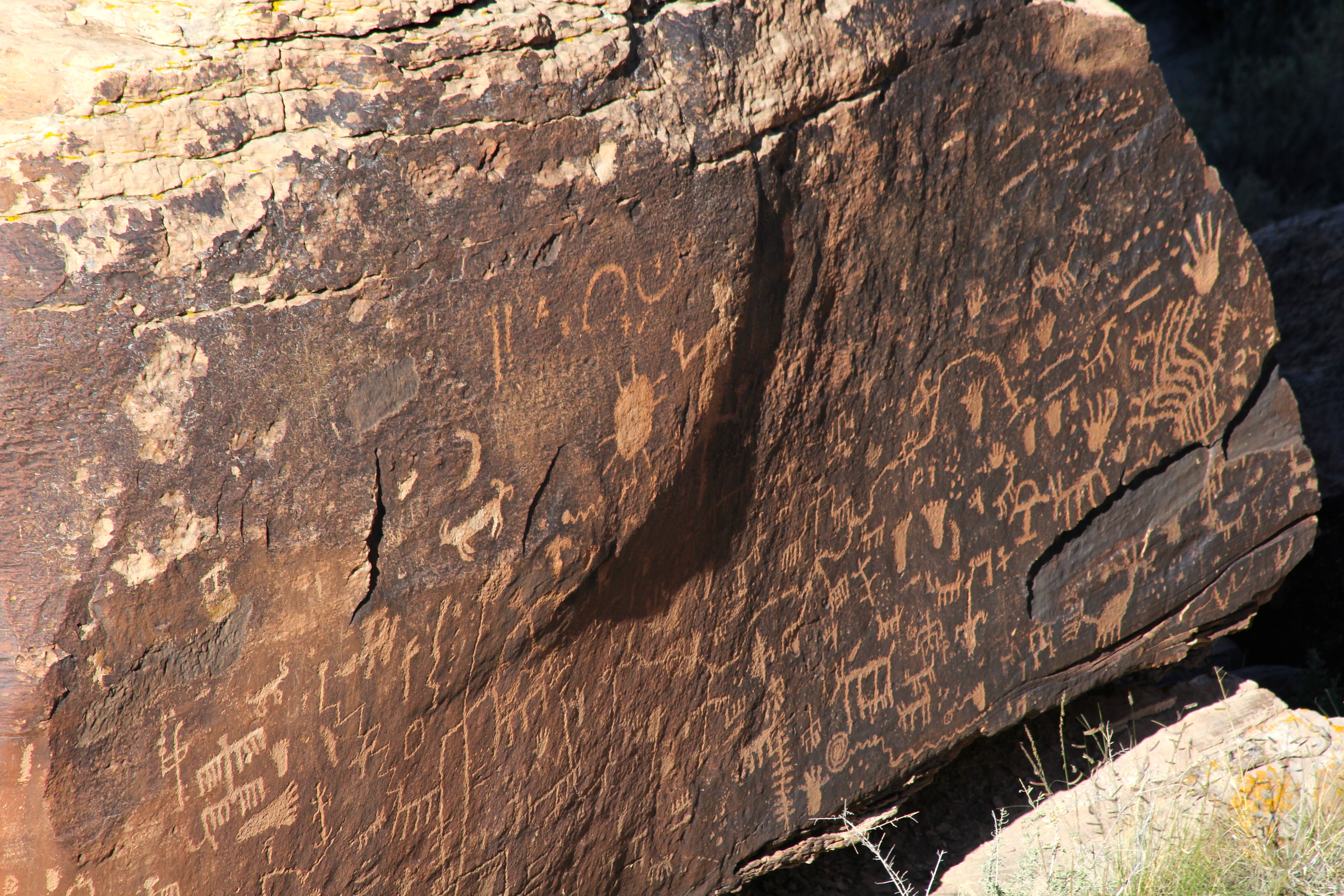
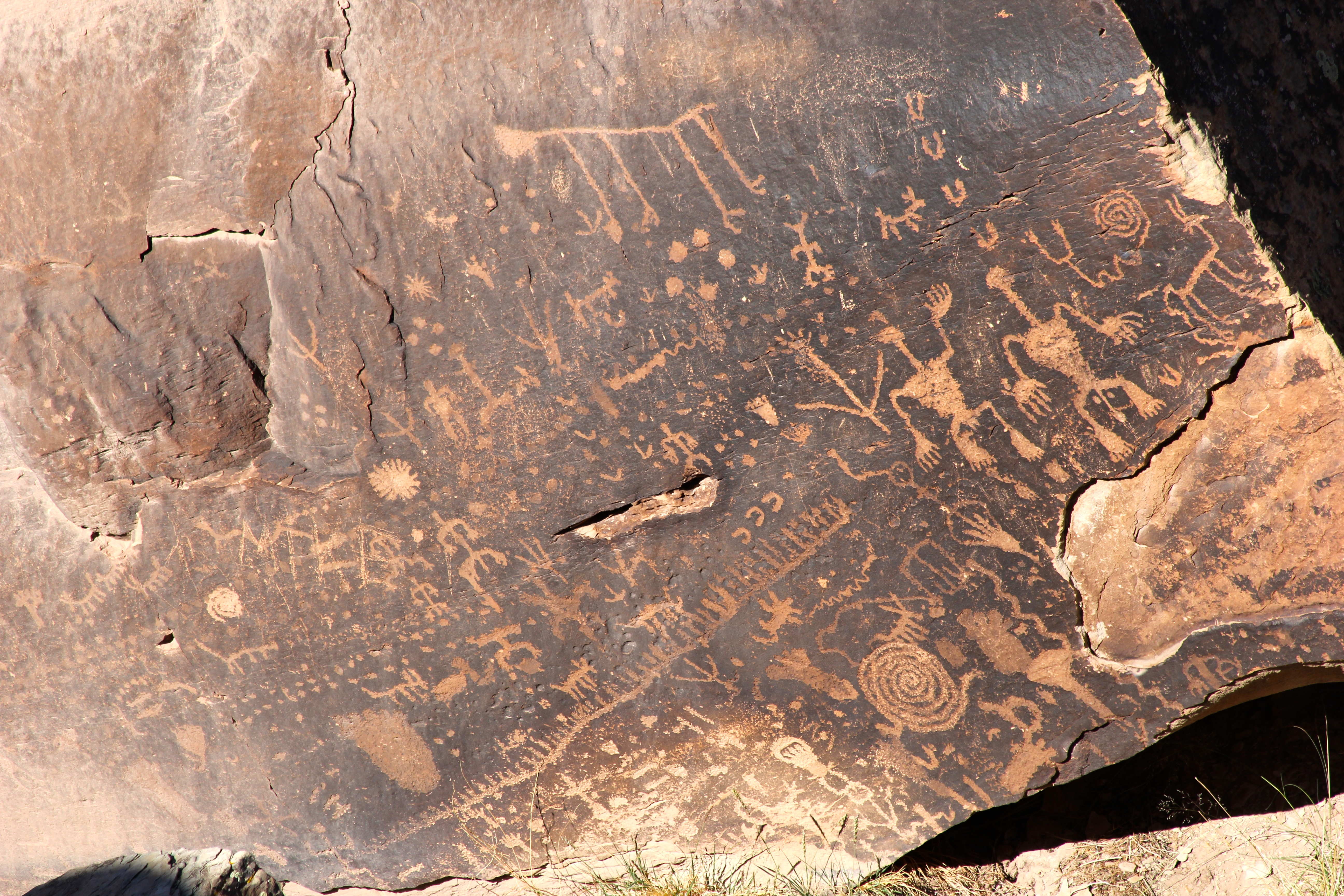
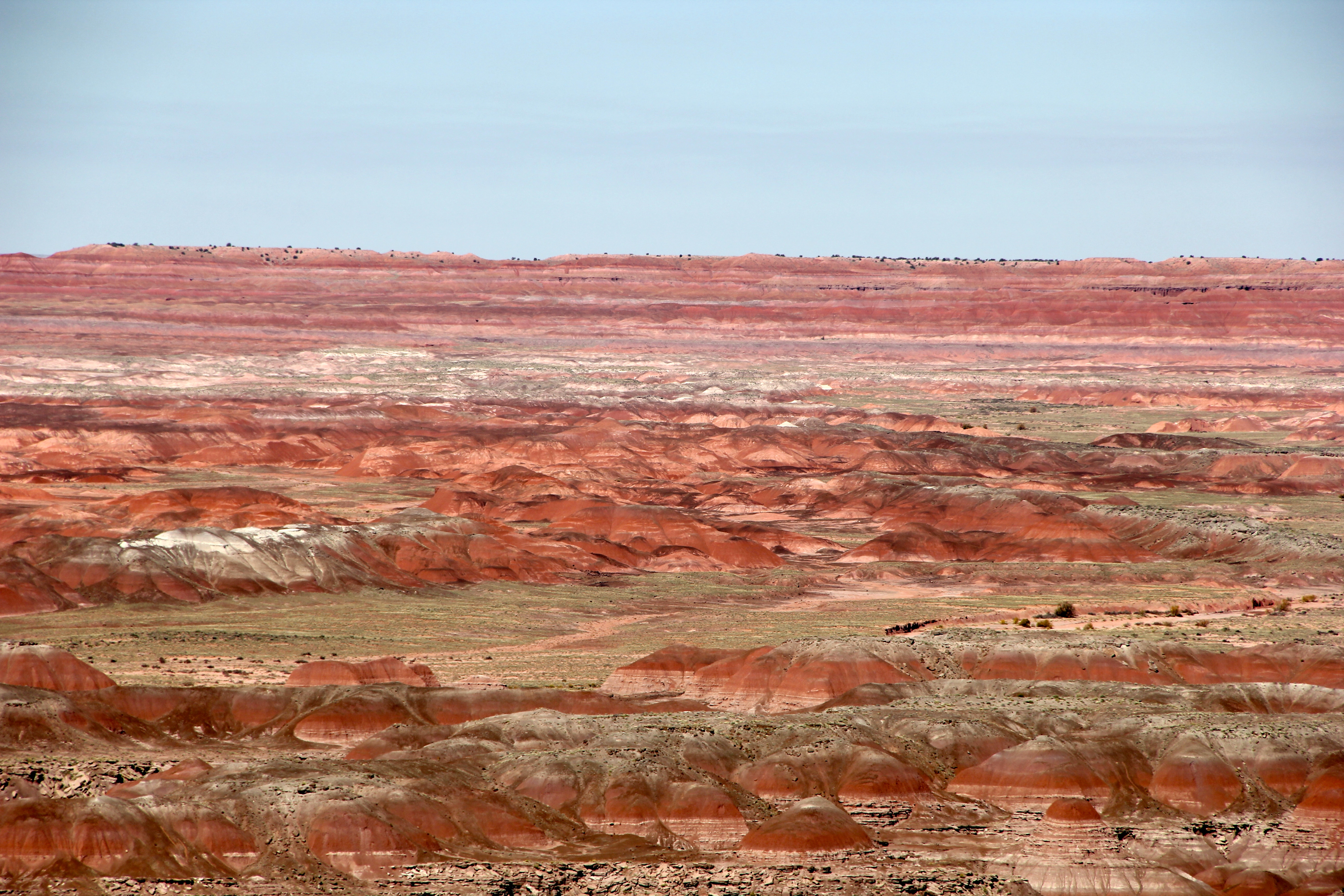
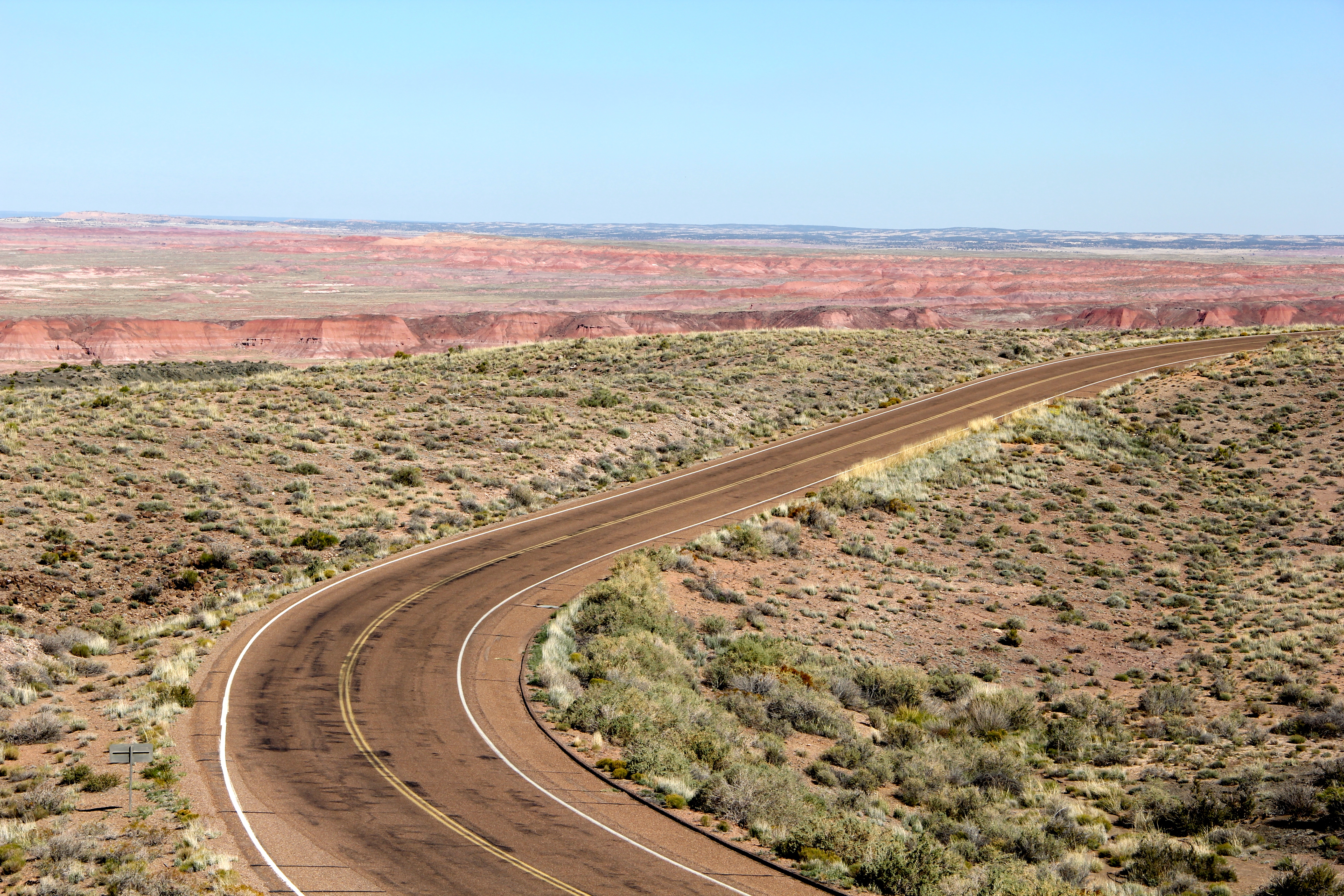
Our last stop on the trip was the Petrified Forest National Park and the very scenic drive in this land of quiet grandeur and vivid contrasts. I don’t think i can condense the history, scientific, and historical values in just a few paragraphs of these forests. The park included many types of scientific and historical wonders..petrified wood at Jasper Forest, Crystal Forest, and Rainbow Forest. Here also are Tepees, Blue Mesa, Agate Bridge, the Flattops, Puerco Ruin, Newspaper Rock and Painted Desert. This area is literally considered the worlds greatest storehouse of knowledge about life on earth when the age of the dinosaurs was just beginning.
The forests are protected in the Petrified Forest National Park in a colorfully banded sequence of rocks called the Chinle Formation, which is widely exposed in many parts of the southwestern US. The rocks that form the Painted Desert are also included in the Chinle. This formation was deposited about 220 to 225 MILLION years ago near the end of the Triassic period of the Mesozoic (middle life) era on still older rocks. These older rocks are not exposed in the Petrified Forest, but some of them are visible in surrounding areas and in the Grand Canyon and Canyon de Chinle National Monument. Only a few younger rocks are present in the Forest. They are assigned to the Bidahochi Formation fo the Tertiary period of the Cenozoic (modern life) era and are thought to be four to eight million years old.
Scientists tell us that during the Late Triassic, America was several thousand miles southeast of its present location and much closer to the equator than it is now As a result, ancient Arizona was then at the about the latitude of Panama but at a position that is now in the middle of the Atlantic Ocean about halfway between south America and Africa. At that time, North America had just separated from western Africa and South America and had begun drifting northwesterly toward its present location. Thus, much of the continent was then in the tropics.
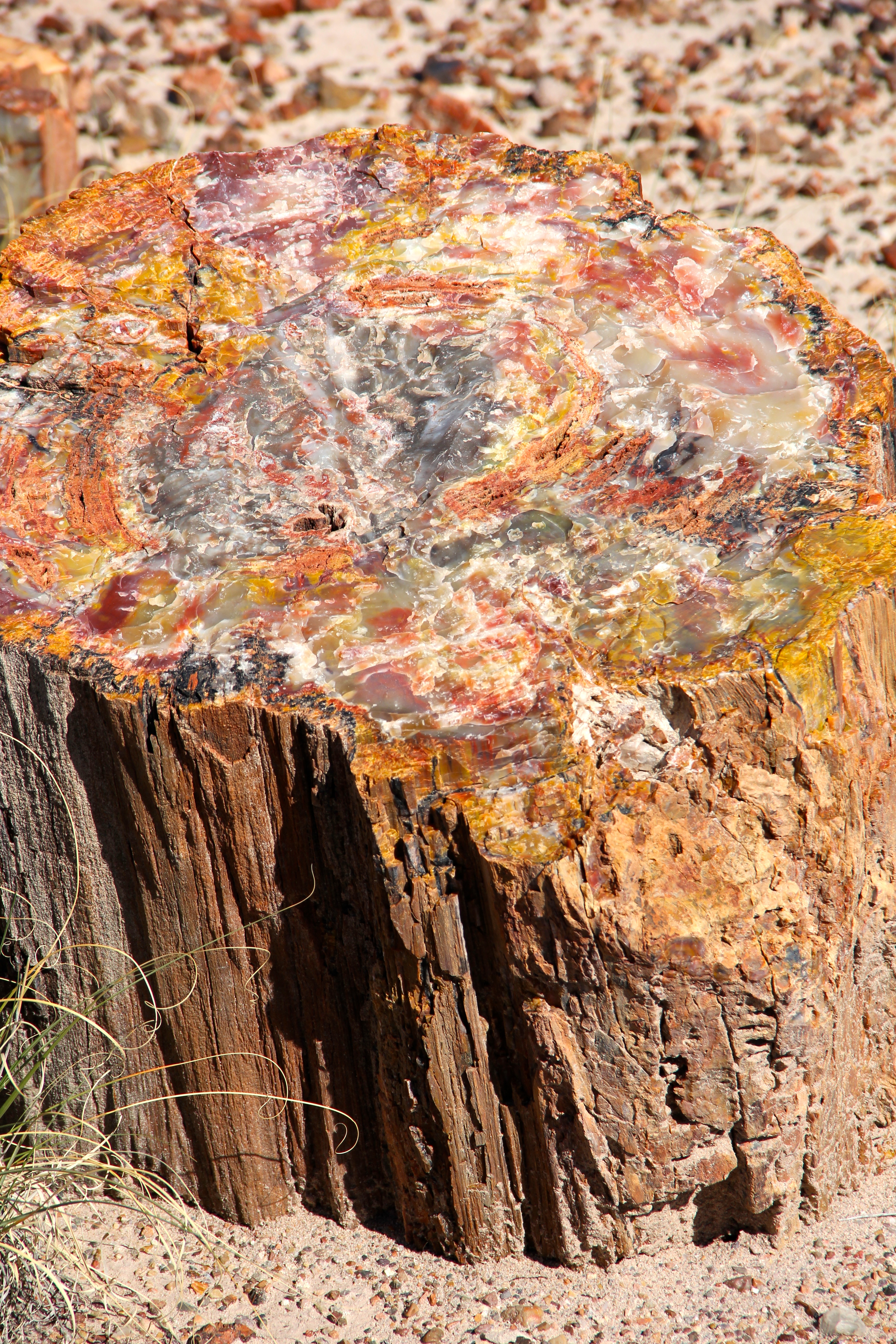
The rate of fossilization varies greatly according to circumstances. In the Petrified Forest, however, it appears that fossilization of the logs must have occurred rather rapidly because most of them are nearly round in cross section, much as they were in life. In other words, they were fossilized before the overlying layers of sediment became so heavy that the logs were crushed and flattened.
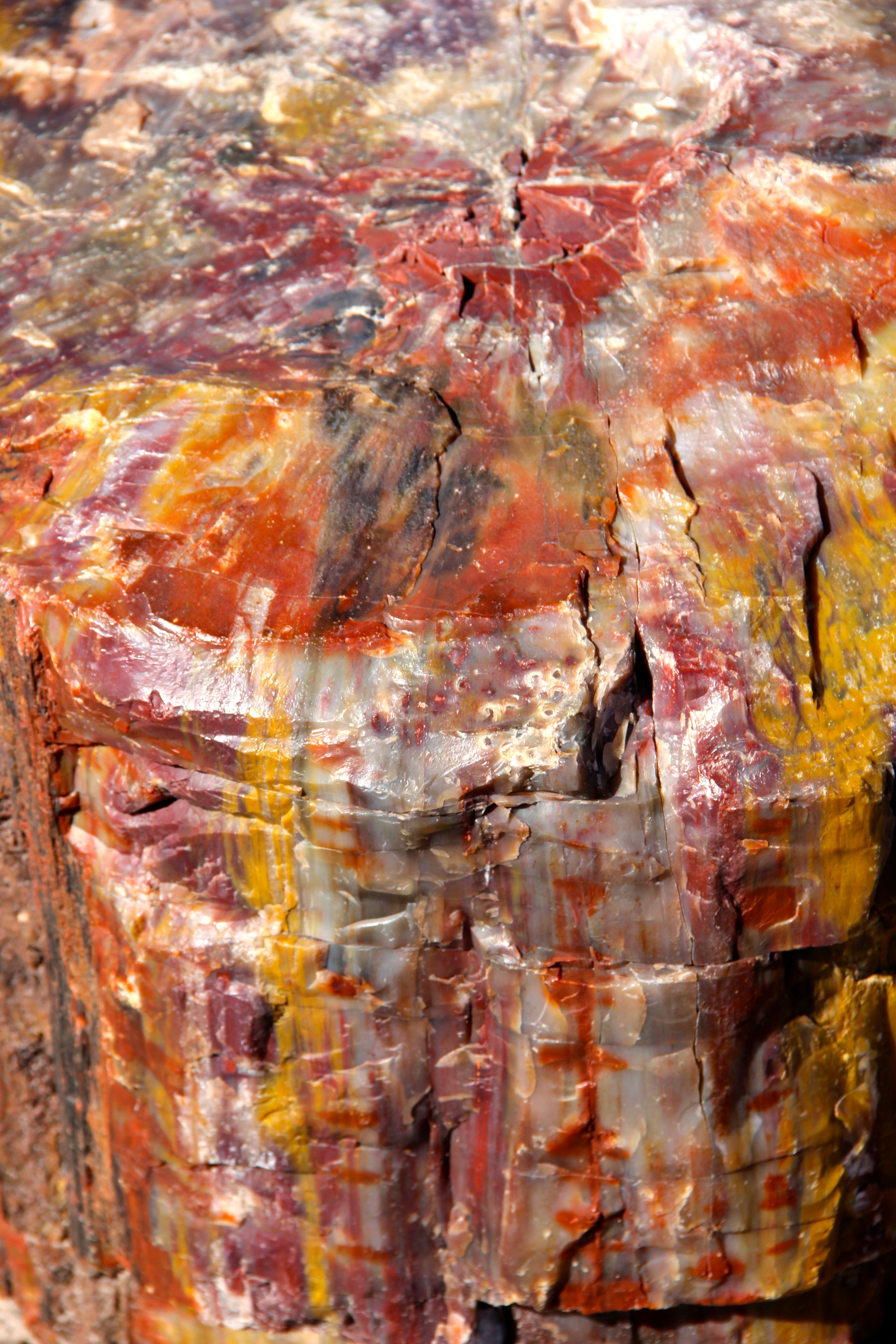
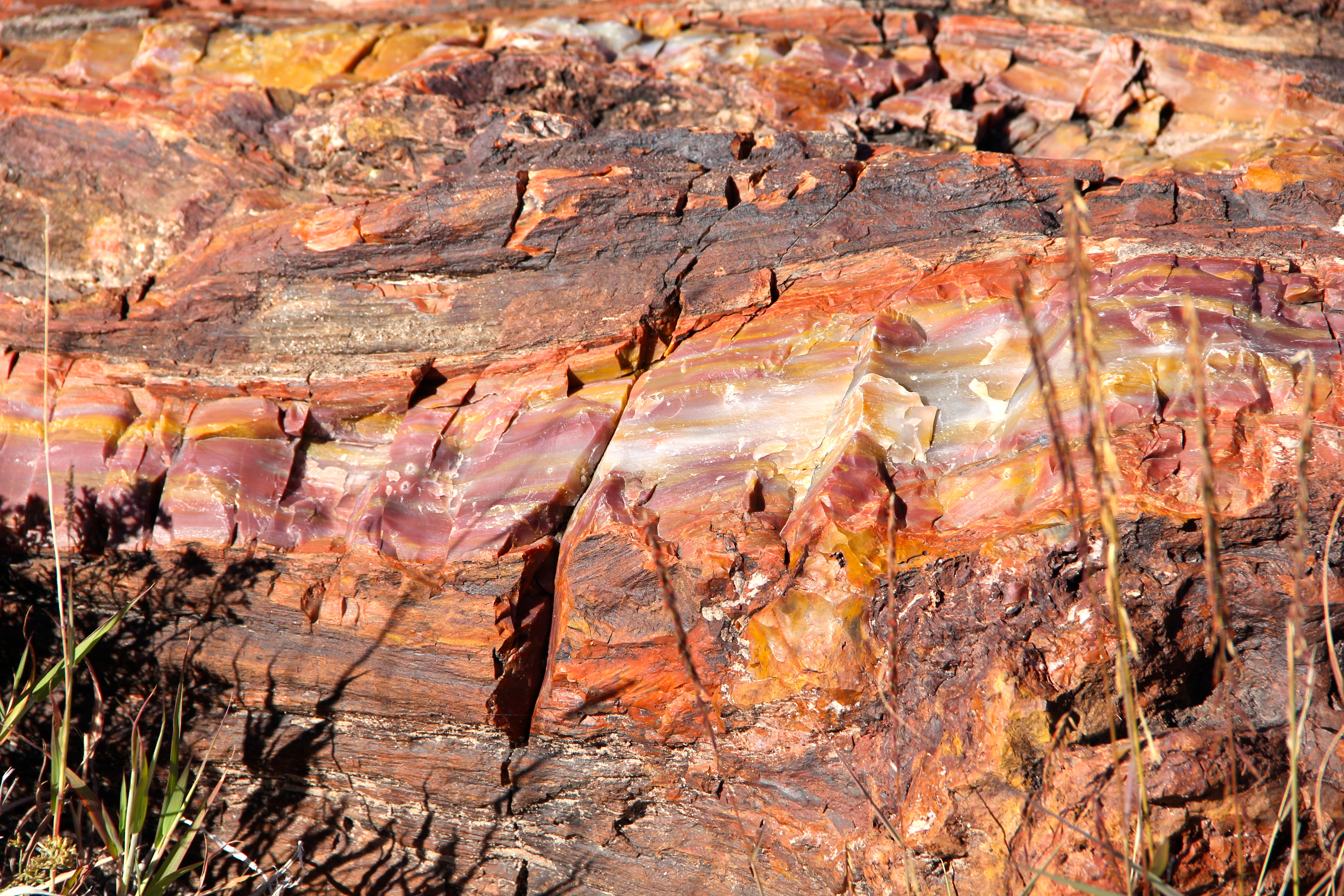
Several types of fossilization are presented. The main type of fossilization is petrification, where wood and bones are turned to stone. Two types of petrification are found in the park. In the first type, all or practically all of the organic matter in potential fossils was replaced by mineral matter. The resulting fossil has the external form of the object but little or none of the internal cellular structure is still present. In the Petrified Forest most of the logs have been replaced at least in party by mineral matter, especially varieties of quartz, and they now contain little, if any of the original organic matter. The colorful logs in the Rainbow Forest int he southern part of the park are good examples of fossils that have been preserved by replacement.
In the second type of petrification the cells and other spaces in the potential fossil are filled with mineral matter, but much of the original organic matter remains unchanged. In this type of petrification, or permineralization, much of the cellular detail in the fossil is preserved and can be observed with a microscope. Only a small proportion of the logs and stumps in the park have been permineralized, whereas most of the bones have been preserved in this matter. The logs in the Black Forest in the northern part of the park are generally black because they have been permineralized. Interestingly, parts of some logs in the park have been totally replaced by mineral matter and other parts of the same logs are permineralized, so its is possible to find specimens contain both types of presertion.
In the Petrified Forest, the sediments deposited by Upper Triassic rivers were saturate with water, which decreased the rate of decay of the plant and animal remains they entombed. The smae water that slowed the decay of the logs and bones had earlier filtered through sediments rich in the element silicon. As the silicon-rich water slowly percolated through the logs and bones, the silicon came out of solution and combined with the oxygen to form minute crystals of quartz with in the spaces in the tissues and formed permineralized fossils. In other cases, it even replaced the organic matter forming replacement fossils.
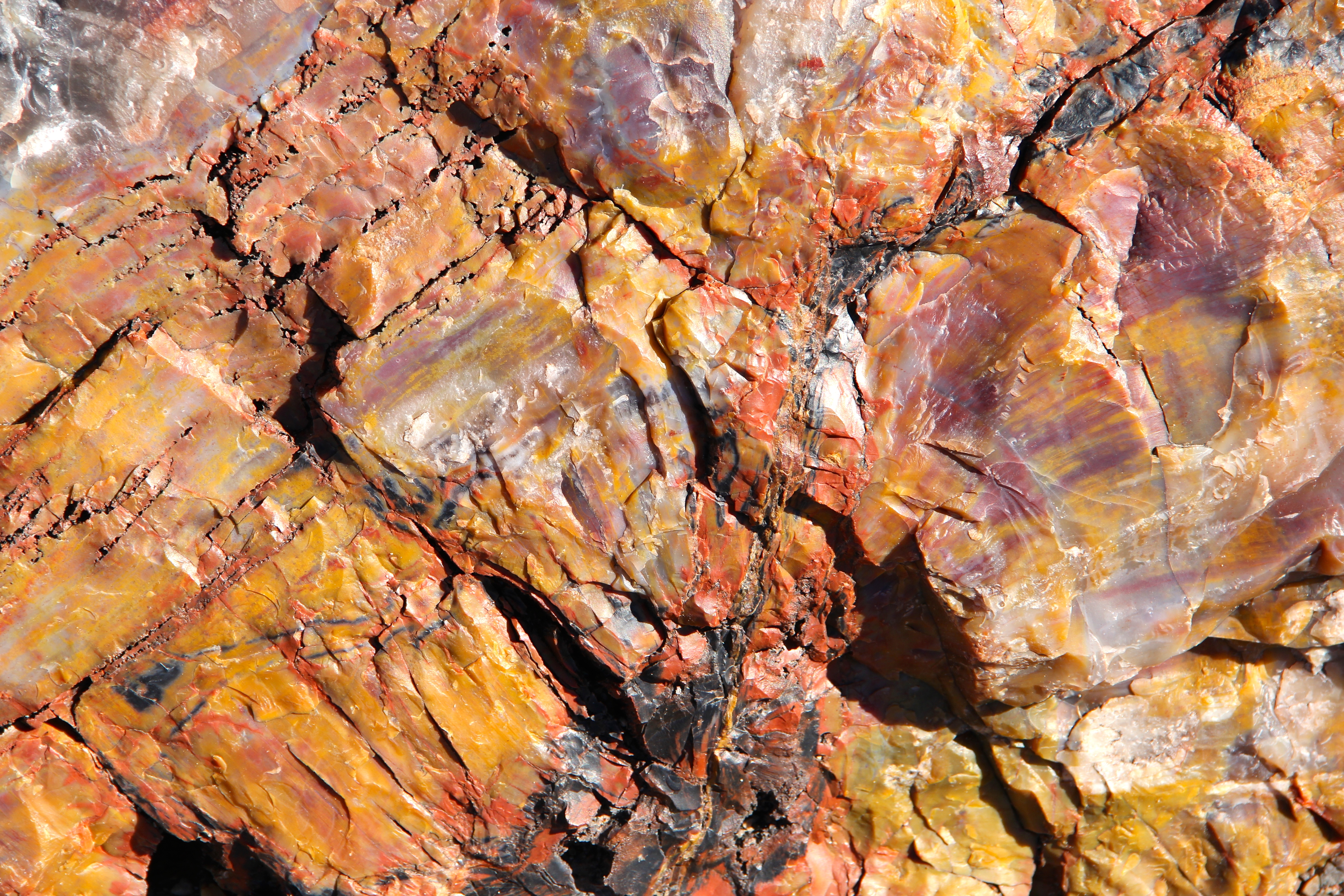
A majority of the fossils logs here are solidly petrified, and all of the tissue has been filled or replaced by quartz. However, inside hollow logs or in cracks in otherwise solid logs the growth of quartz crystals was not restricted by cell structure or adjoining crystals. As a consequence, cavities within the wood are sometimes lined or even filled with large crystals of amethyst, rose quartz, smoky quartz, and rock crystal quartz.
The water that provided the silica for petrification also contained other elements that were incorporated into the wood and were responsible for the variety of colors in the fossils. Iron, probably the most common element incorporated n the developing fossils after silicon, produced various shades of red, yellow, brown, and even blue. Cobalt, chromium, rarely included, provided blue and green coloring. Carbon and sometimes manganese added black. Interestingly, manganese was also responsible for some of the pink coloring. Most of the wood contains a variety of colors and tones that are composed of just a few primary colors. Blends of yellow, red, black, blue, and white provide an amazing range of hues.
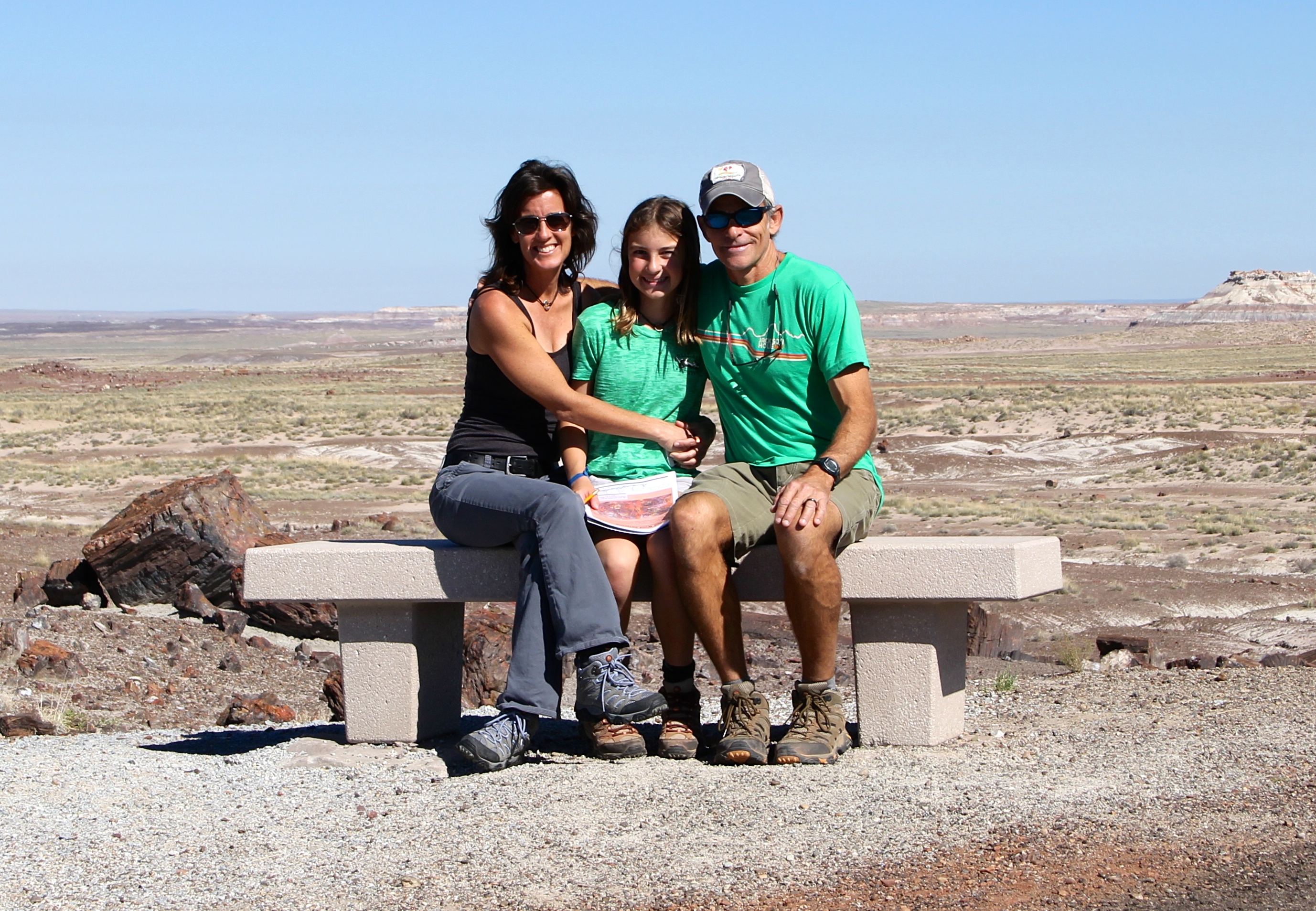
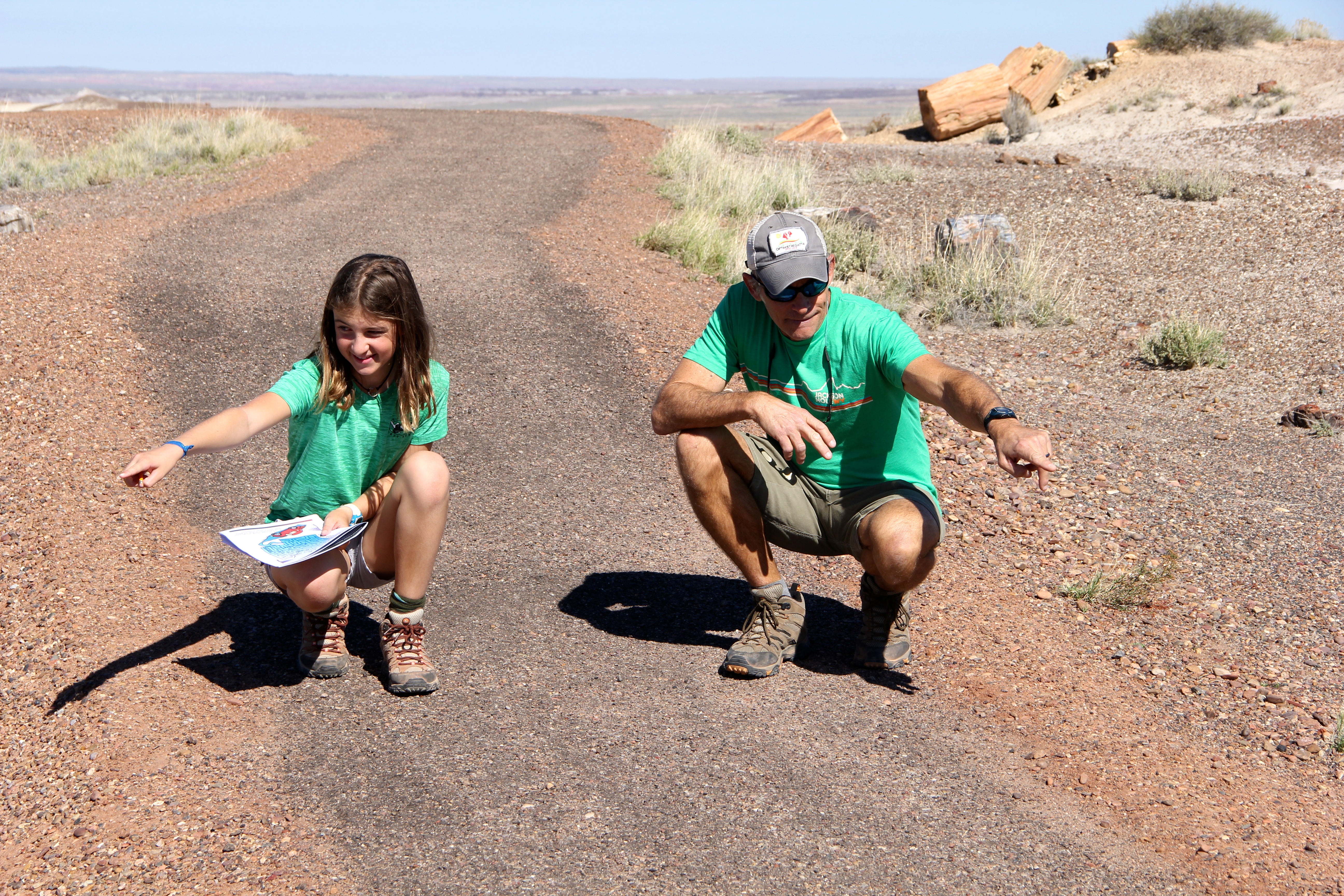
Needless to say this park was by far fascinating and mind boggling. Savannah is pretty obsessed with rocks and crystals in general so watching her reactions was almost as entertaining as seeing it for our own eyes. We spent considerable time in the learning centers, reading, and researching in great depth. Savannah also received her Jr. Ranger badge for this park.


 Baus Family Adventures, Lifestyle and Island Living